ROMA (ITALPRESS) – The Fondazione Policlinico Universitario Agostino Gemelli IRCCS announces the start of the first Phase 2 study on the therapy with ashegermin (rhNGF, Nerve Growth Factor human recombinant) in children with cerebral palsy (CP – Cerebral Palsy), authorized by the Italian Pharmaco Agency (AIFA). The study, coordinated by Domenico Romeo, head of the Operational Unit of Children’s Cerebral Paralysis and Neurosviluppo of the Policlinico Gemelli IRCCS, researcher of child neuropsychiatry at the Catholic University, represents an important step in the search for new therapies for this pathology. Phase 2 study, randomized, double-blind, will assess safety, tolerance, pharmacokinetics and pharmacodynamics of ashegermin (rhNGF) administered intranasally. A total of 60 children with cerebral palsy, between 2 and 6 years old, will be enlisted. The study, which begins these days at the Policlinico Gemelli, will also involve other centers throughout Italy and is supported by pharmaceutical Dompé.
“This is a very innovative trial – explains Domenico Romeo – because it uses a non-invasive intranasive administration that should allow to overcome the blood-brain barrier. It is the first time that a biotech molecule such as human recombinantNGF is administered in the central nervous system in a clinical study; This is a development of studies on children with severe cranial trauma and cardio-circolatory arrest, conducted by Professor Antonio Chiaretti, associate of Pediatrics at the Catholic University of the Sacred Heart and Director of the Pediatric ER of the University Polyclinic A. Gemelli IRCCS. We believe that both the path of administration and the structure of the molecule, identical to the natural one produced by the organism, will produce potential clinical effects on spasticity and minimal side effects.”.
The term child brain paralysis means a large group of neurological disorders due to different causes, resulting in a permanent, non-progressive lesion of the brain developing. The damage can occur before, during or after birth (prenatal causes: brain malformations on a genetic basis, maternal infections from toxoplsamosis, rosolia, herpes, cytomegalovirus during pregnancy; peri-natal causes: reduced oxygen supply to the brain, cerebral hemorrhage; post-natal causes: meningo-encephaliti, cranial trauma graco) and influences the motor function and development of the child, with various degrees of gravity. The consequences of the damage are seen above all on posture and movement, but also problems of swallowing, sensory (especially sight and hearing), cognitive and emotional, of the ability to communicate and relate to others. The underlying lesion of the PC is not reversible, but it is possible to intervene to limit its consequences with targeted and timely interventions, which vary according to age, type of neurological damage and the problems present. The diagnosis is done with magnetic resonance, transfontanellar ultrasound (ETF) and other tests. The current therapies are mainly symptomatic and entrusted with rehabilitation, botulinum toxin, baclofen, targeted surgery; However, there are no treatments that can restore neuronal loss. A new possibility of treatment comes from Cenegermin (rhNGF), the biotech version of the Nervous Growth Factor (NGF – Nerve Growth Factor), discovered by Nobel Rita Levi-Montalcini and Stanley Cohen in 1951 and already approved by the European Medicines Agency (EMA), the US FDA and the Chinese NMPA, for a rare ophthalmological pathology.
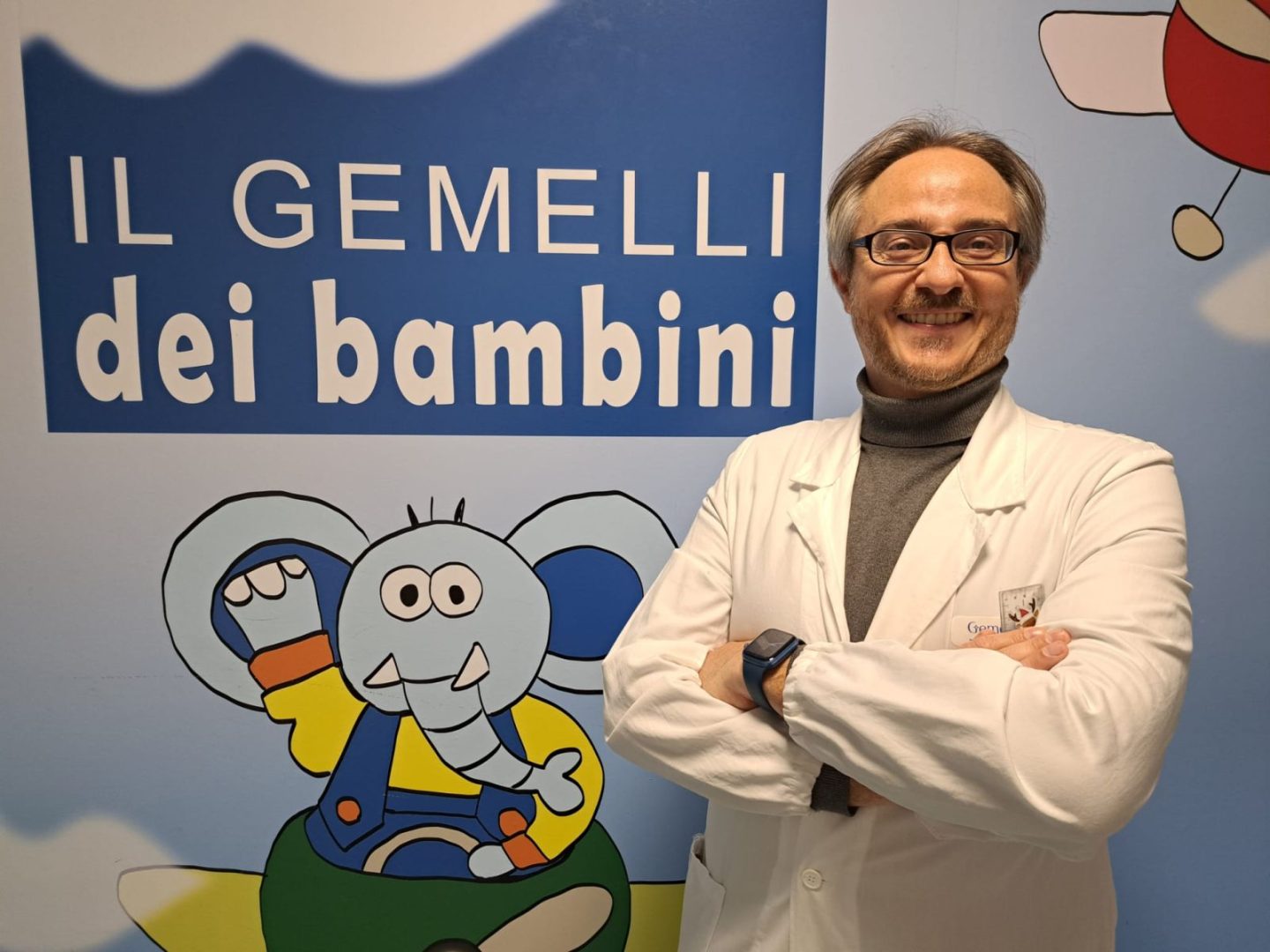
– photo press office Fondazione Policlinico Universitario Agostino Gemelli IRCCS –
(ITALPRESS).