ROMA (ITALPRESS) – The stroke is one of the main causes of death and disability in the world: occurs when the blood flow to the brain is interrupted or reduced, causing a suffering of brain tissues. The main forms are the ischemic stroke, due to the occlusion of an artery, and the hemorrhagic stroke, caused by the breakdown of a blood vessel. In Italy there are about 90-100 thousand new cases each year, with a significant impact on the health and social system: the incidence grows with age, especially over 65 years and with a peak over 75 years. The control of risk factors and rapidity in treatment are decisive elements to reduce the impact of stroke on the health system and especially on the lives of people affected by it. “The situation in Italy on the stroke front is all set: the number of 100-110 thousand new cases per year is maintained over time. This is related to the fact that the aged population and the advanced age represents the greatest risk factor for all circulatory diseases, including stroke”, said Mauro Silvestrini, head of the Faculty of Medicine of the Polytechnic University of Marche, interviewed by Marco Klinger for Top Medicine, TV format of the Italpress press agency.
Among the conditions that generate the stroke, he continues, “the arterial hypertension, diabetes, dislipidemia must be remembered: there are then a series of conditions strictly connected with a lifestyle sometimes not adequate like smoke, excess alcohol, physical inactivity, stress, bad quality of night sleep. Time is the fundamental factor: shortening the time between the appearance of the disorder and the beginning of therapy is the first aspect that positively influences the prognosis of a patient. The brain is our most delicate organ and cannot resist circulatory stress: This explains why every second from the beginning of the disorder creates a loss of brain structures that quickly becomes irreversible.” Basically, according to Silvestrini, “avoid at any cost to underestimate any disorder that makes us think that a more or less large part of our brain is not working properly: the main signs related to a circulatory disorder in place are a hand that does not move with the same dexterity of the other, a heavier leg, the mouth that twists, a certain difficulty to articulate the words, a loss of coordination. Once entering a hospital equipped to manage such a situation, the patient immediately implements a protocol that starts from the execution of a Tac: This is fundamental to discriminate between ischemia and bleeding. Over 80% of the cases are linked to an ischemic disorder: on the basis of the feedback, all the procedures that lead the patient to take advantage of the Rivascolarization, Pharmacological or Endovascular Therapies are undertaken.”.
Italy has taken a few steps ahead in recent years with regard to matter, to the extent that “the number of Units strokes has been enormously increased, but we have not yet reached full level: we have over 200 centers in our hospitals, they would need a hundred more. The fundamental problem is the lack of proportion between existing structures in different parts of our country: over half is in fact found in the northern regions. There is a need to increase the culture and awareness of what can be done in a patient with stroke: the paths should be optimized and made homogeneous throughout Italy, the emergency network should be adjusted, the transport of patients in the nearest hospitals equipped with a stroke unit should be optimized. One of the characteristics of these units is to be able to assure the patient a rehabilitative takeover within the first day: anyone who is admitted into the stroke unit is subjected to evaluation and treatment begins immediately; an early treated stroke has 70% probability of favorable prognosis.”.
The last aspect of Silvestrini is prevention: “We must first take care of ourselves: in this way most strokes would be avoidable or procrastinable at the most advanced age; physical activity for half an hour a day, an adequate diet, medical checks and any prescriptions of drugs are fundamental. I had the privilege of witnessing an epochal change: the possibility of opening closed vessels in most patients constituted a revolution. Today the stroke makes us much less afraid: We begin to have weapons also against the poor sister of the ischemic stroke, that is the bleeding. There is constant progress, but above all an improvement in awareness of what can be done in these conditions.”.
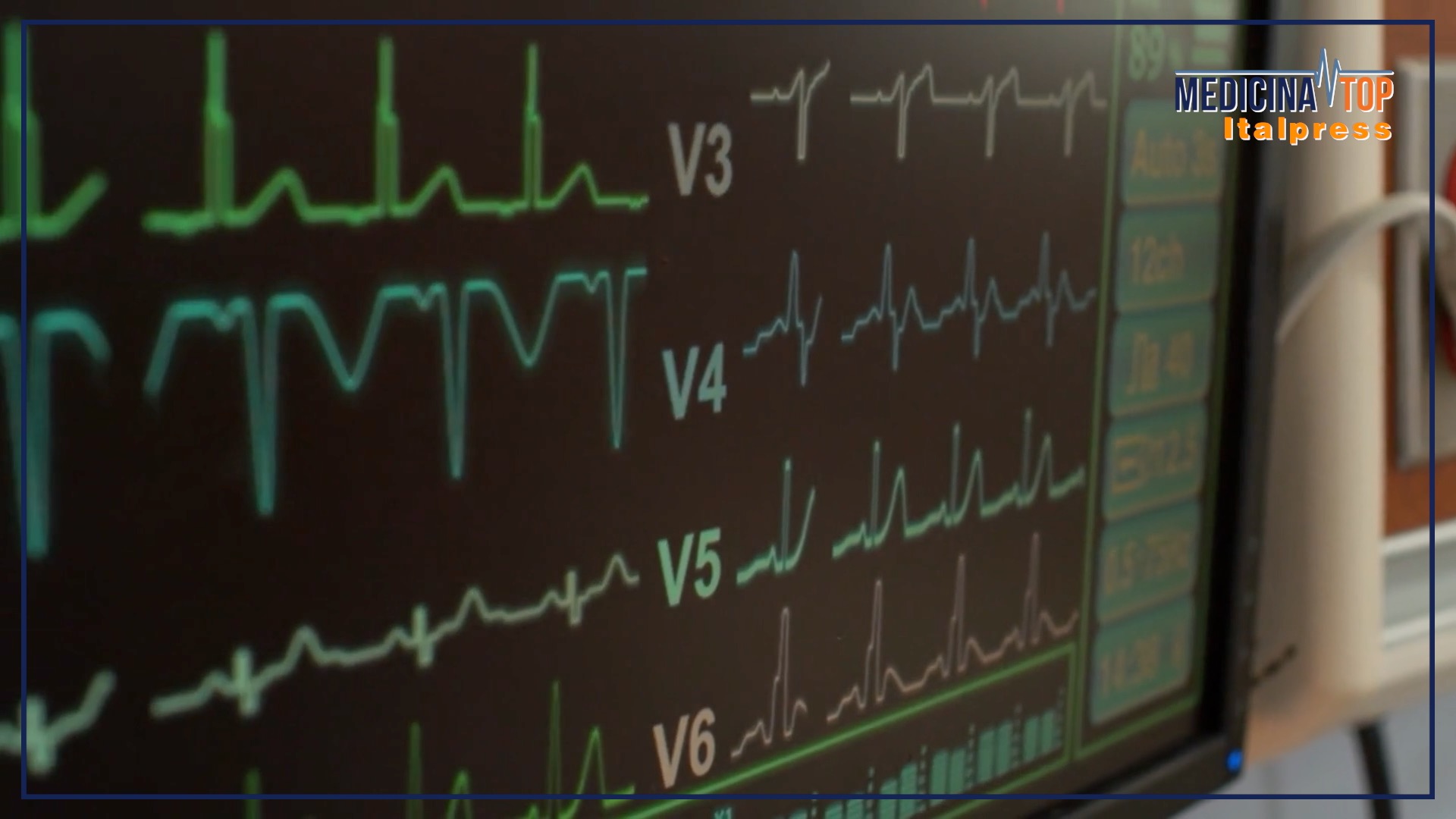
– Photo taken from video Medicine Top –
(ITALPRESS)