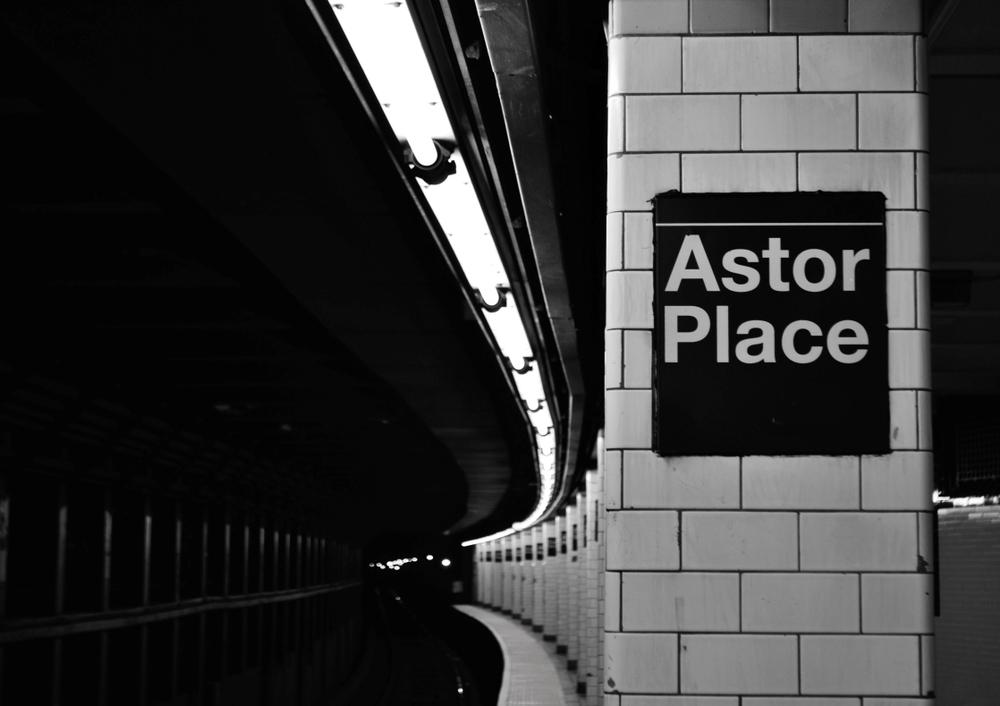
Shortly after the morning of Tuesday, August 4, at the Astor Place station in Manhattan, a metro train built to aspire waste from the rails. The smoke reached the docks and entrances on the road, wounded fourteen people and forced the Metropolitan Transportation Authority to interrupt for a few hours a part of the service on the Lexington Avenue Line, one of the most frequented in the city. According to the New York City Fire Department, the alarm was given around 2:15.
The convoy consisted of four wagons and traveled south on one of the express tracks. It was a vacuum train, a kind of large rail vacuum cleaner that collects from the paper tracks, metal powder, oil and other materials that can fuel fires, obstruct the discharges and interfere with the plants. The paradox of the incident is that the fire train had also been purchased to prevent the dirt accumulated in the subway from taking fire.
When the first firefighters arrived, the station was already full of smoke. The intervention went to a second level of alarm just before three and involved a total of 141 rescuers, according to Gothamist. The teams laid the sleeves along the station, powered the fire system installed on the convoy and searched for any people left in the vans or on the docks. However, the fire was particularly difficult to turn off in one of the rooms containing the filters of the suction system.
During the operation, a direct passenger train to the north entered the station. The firefighters ensured that people were dropped on board and accompanied on the outside: no passenger was injured. Some of the present told CBS that smoking had quickly invaded the dock, making it difficult to breathe and provoking a race towards the exits.
The eight MTA employees involved and the six firefighters reported mainly problems due to the inhalation of smoke. Seven underground workers and all wounded firemen were taken to the hospital; another employee was visited on site and refused shelter. Most wounds were classified as mild and the conditions of firefighters were stable. Two people have reported moderate consequences, but not such as to jeopardize their lives.
Aspirant trains in New York are part of a program launched by MTA in 2016 to more frequently remove waste from the tracks. The company had ordered three: two in 2017 and one in 2018. The car involved in the Astor Place fire had entered service in 2018. In its plan, the MTA explained that the cleaning was mainly used to reduce fires on the tracks and delays that followed.
MTA suspended trains 4 and 6 between Grand Central–42nd Street and Brooklyn Bridge–City Hall. The consequences were also extended to line 5, which shares part of the Lexington Avenue Line tracks. The fire was declared under control around 5:30; the service then resumed towards seven, initially with strong delays, and then returned regular during the morning.
The cause has not yet been determined. Thomas Currao, assistant chief of the FDNY, told ABC7 New York that the flames seemed concentrated in the filter compartment, where the oil and debris aspired by the tracks ended. However, it is only a preliminary indication: investigators will have to determine what triggered the collected material and whether the convoy fire system has worked properly.
L’articolo Fired the train that cleans the New York metro tracks proviene da IlNewyorkese.