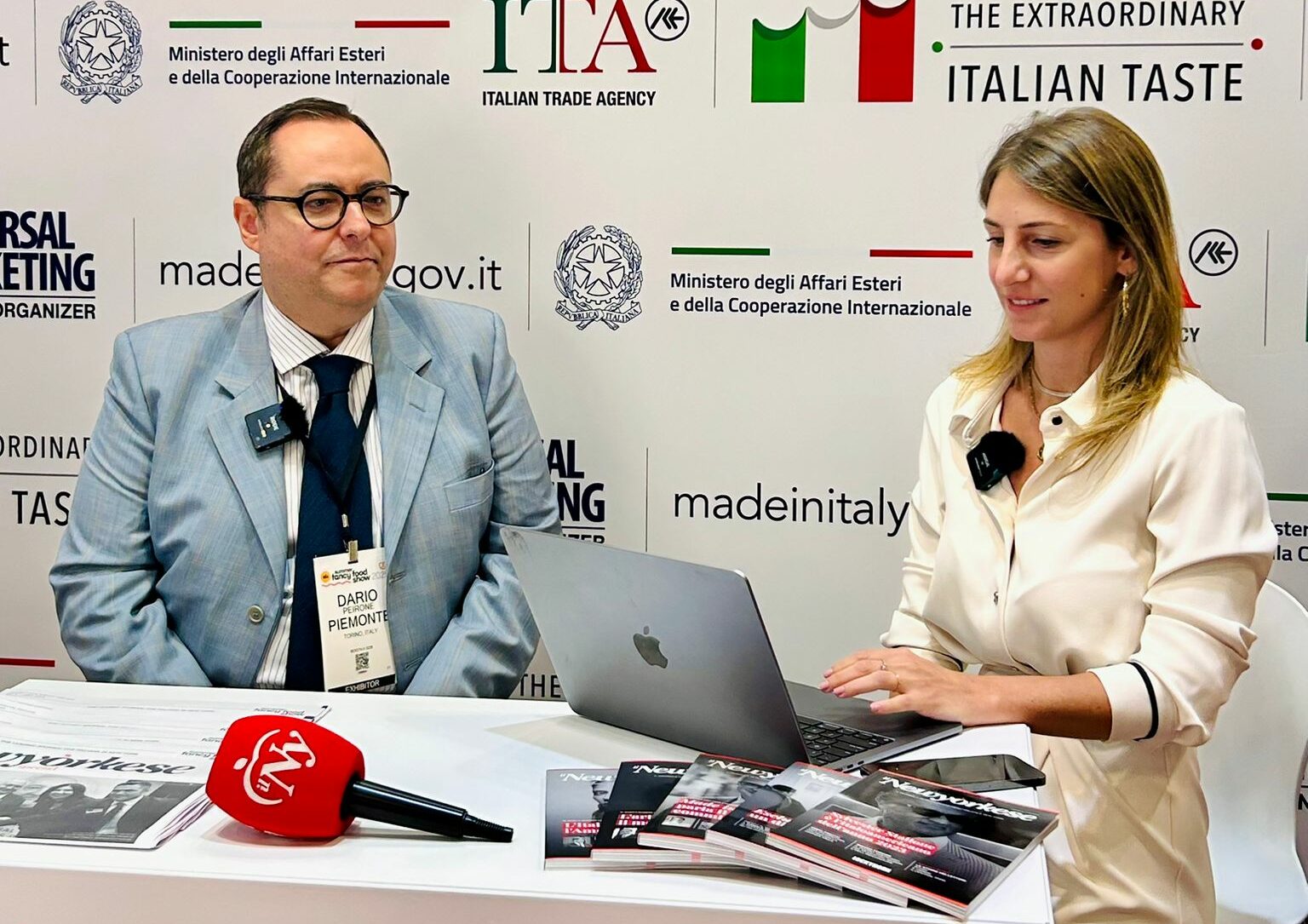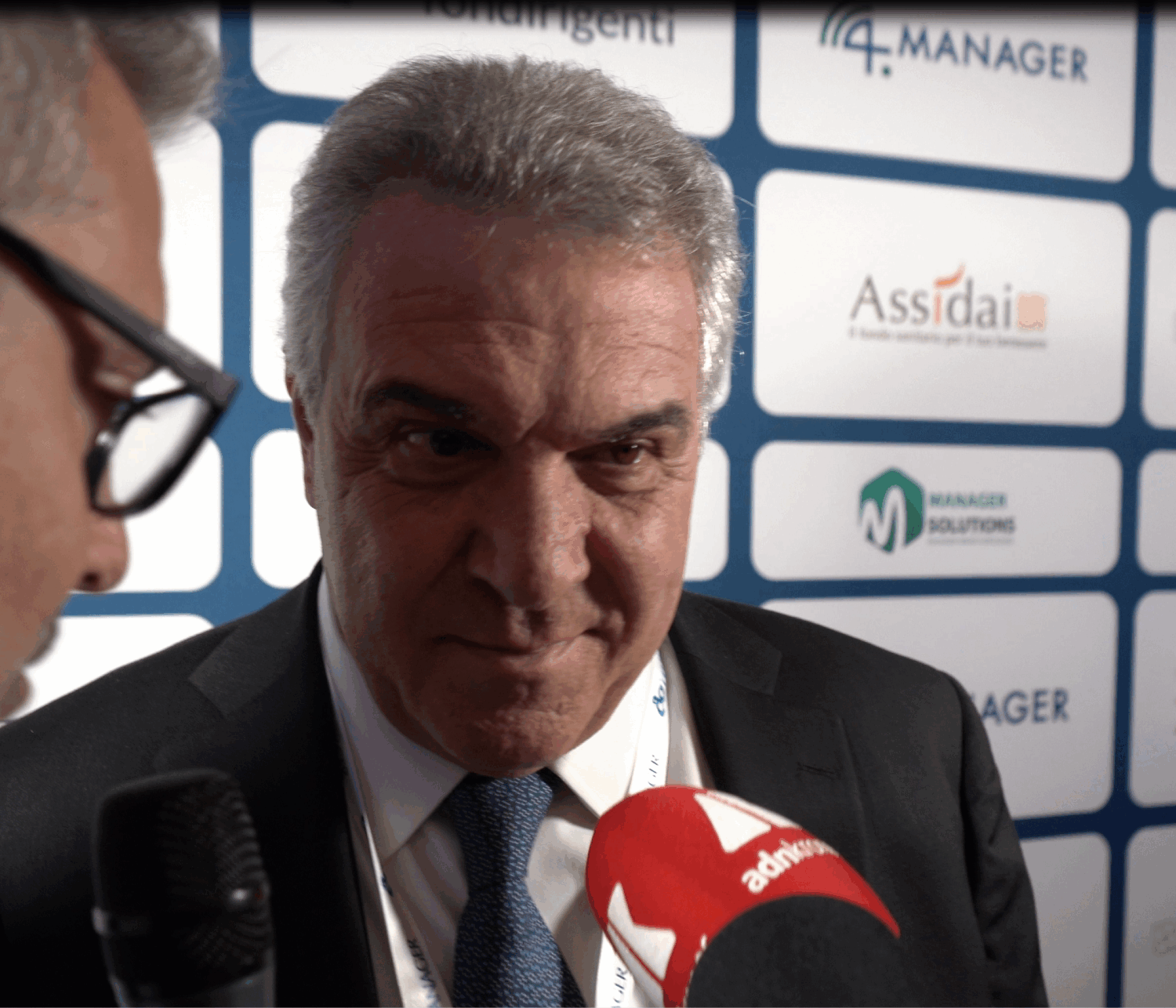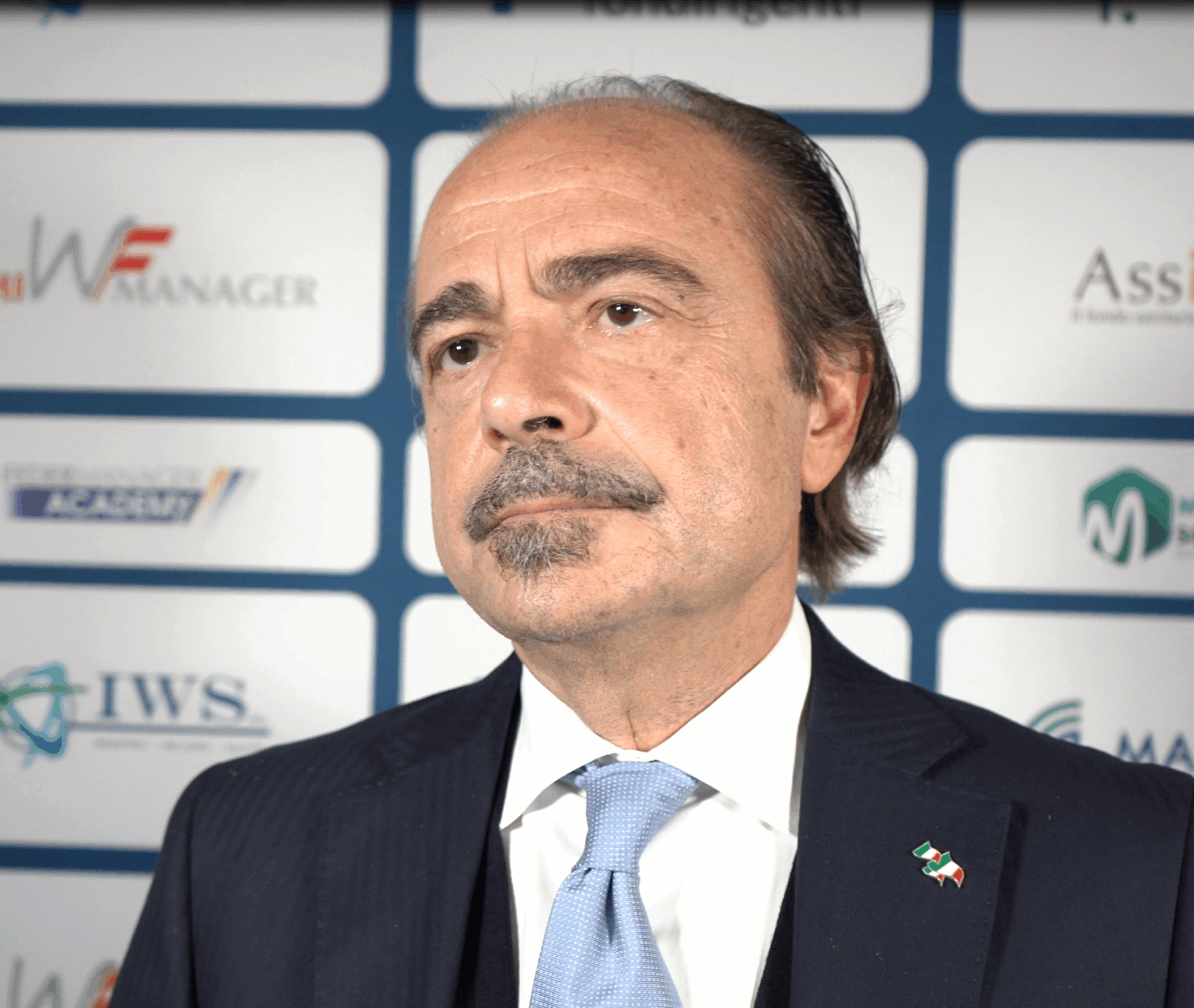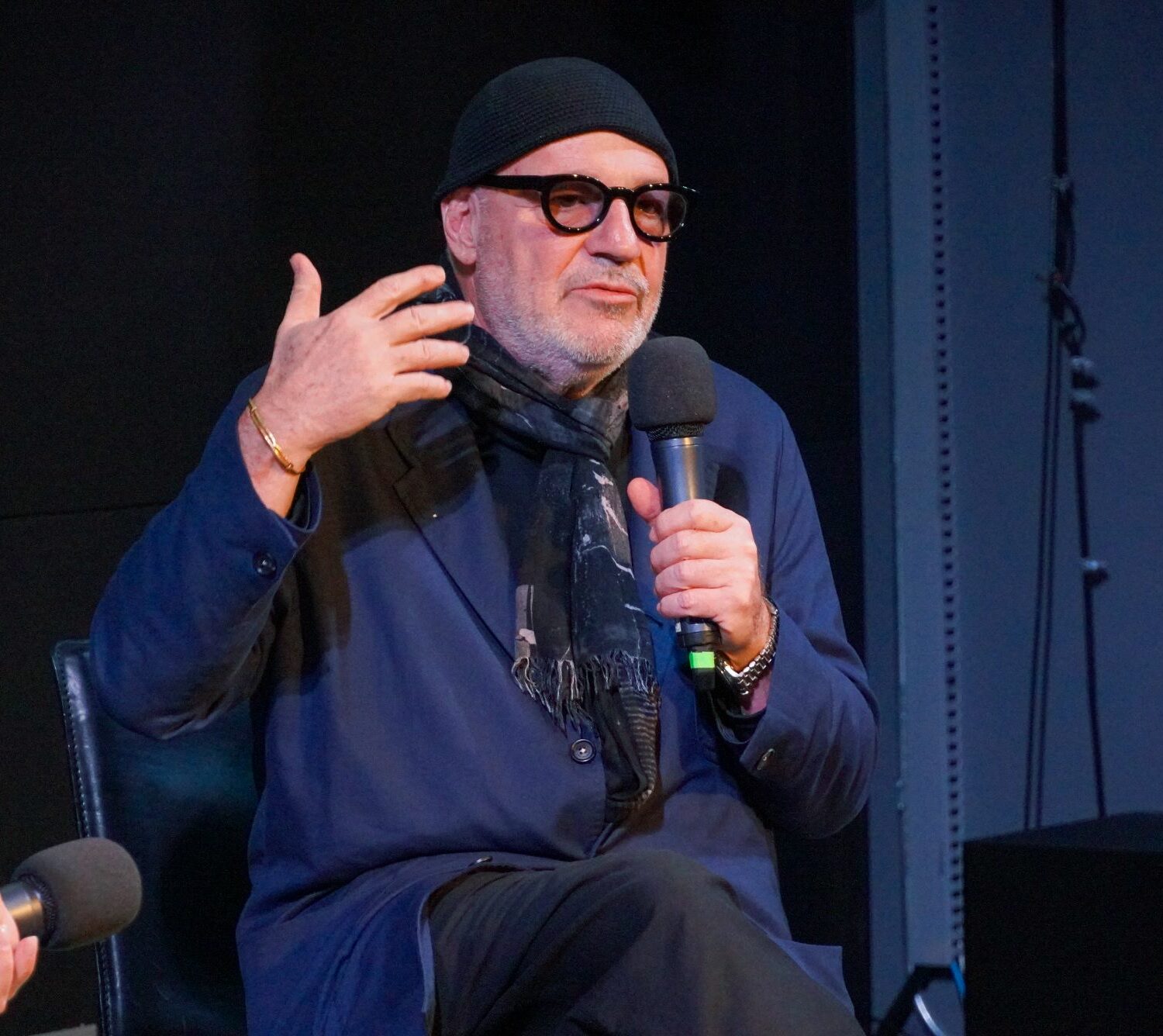
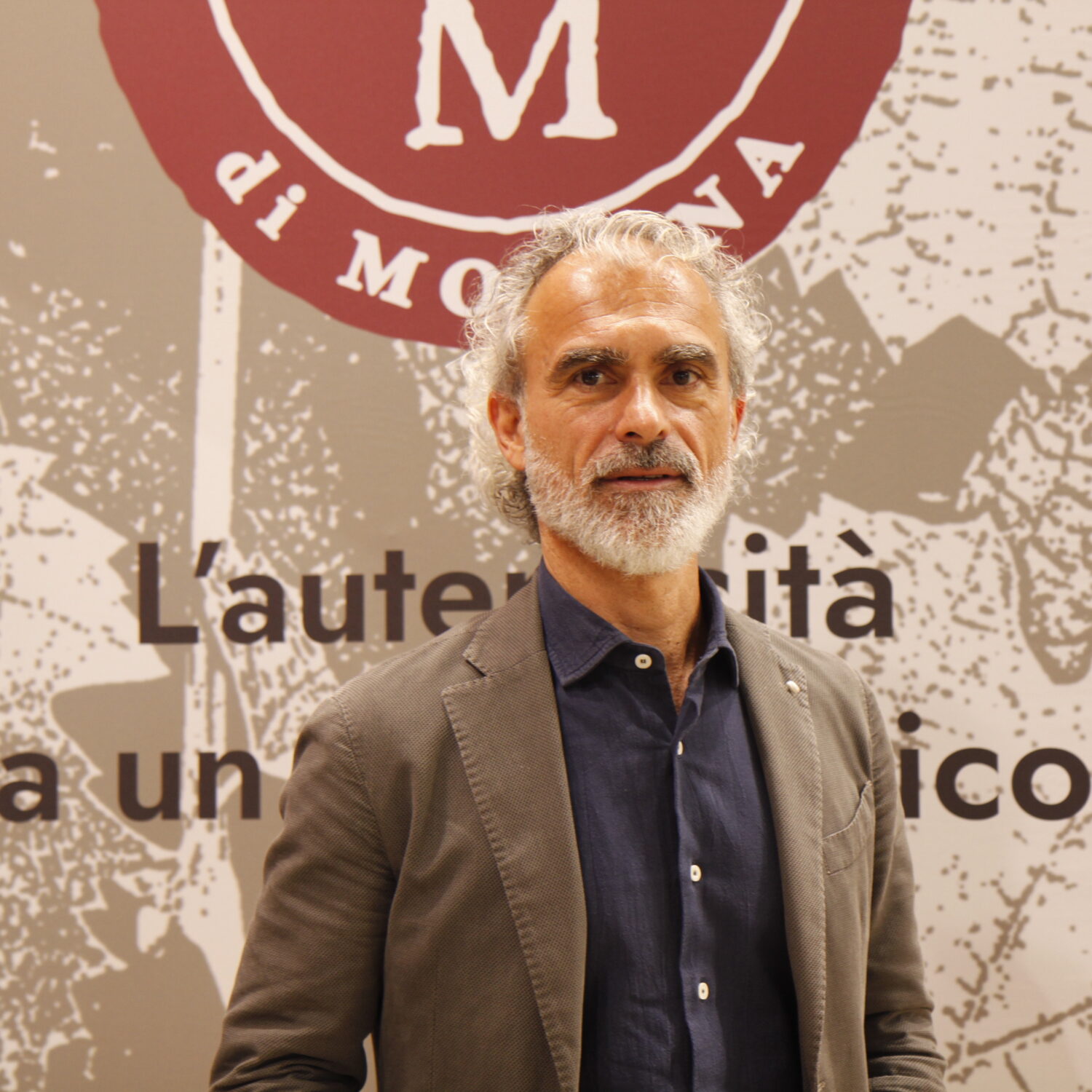
Federico Desimoni intervened at the microphones of New York in the podcast Portraits, led by Claudio Brachino, offering a broad reflection that interweaves right, food culture and geopolitical markets. A dialogue that starts from its legal formation and arrives to the international perspectives of the Balsamic Vinegar of Modena IGP, passing through the crucial role of the consortia of protection as pretexts of a collective interest.
The professional path of Desimoni is rooted in the right: “I started as a lawyer, I also supported the state exam and worked in a law firm. The very first part of my professional life was that of the approach, and that’s where my path starts.” A training that today is decisive in its role as the leader of the Consortium, especially when the theme is the protection of geographical indications.
Legal sensitivity, he explains, is anything but accessory: “It counts a lot, because the theme of protection is an integral part, indeed perhaps the main part, of the work of consortia. Not by chance are they called protection consortia: their first function is to ensure and safeguard the name”. But it’s not about defending a brand as a private asset: “There is not only a right of intellectual property in a classical sense, but a collective right: we do not defend the interest of a single company, but that of a community of producers working in a particular territory”. It is in this dimension that the Balsamic Vinegar of Modena IGP becomes, in its words, “a public good, a collective interest”.
Often the term “consortium” remains abstract for the general public. Desimoni clarifies it precisely: “The consortium is a legal entity provided for by law, which arises when more companies in the same sector join together to carry out a common part of their activities. In Italy we are perhaps the most advanced country in the regulation of this model, which then became also European. In our sector, after IGP recognition in 1999, a law defined that the interests of the denomination could be represented by a consortium of protection, recognized by the Ministry. From that moment the consortia perform functions that are partly private but above all public, because delegated by the state”.
The two fundamental guidelines remain “the protection of the name and intellectual property rights” and “the promotion and communication of the product in the world”.
Governance also reflects this balance between public and private. “The consortium is composed first of producers, but can include the whole supply chain: in the case of the Balsamic Vinegar of Modena can also join producers of must, which is the raw material, or bottlers”, explains Desimoni, underlining how the majority remain firmly in the hands of producers, who economically support the consortium through a contribution proportional to the product.
“The system is democratic: there is an assembly, a board of directors, technical committees, and the votes are in part proportional but with corrective that allow the cohabitation of large and small companies”. An asset operating under the constant supervision of the Ministry, with periodic checks and renewals.
Basically, in the story, it is also the distinction between PDO and PGI, often misunderstood. «The PDO is closely linked to the territory also with regard to the raw material, while in the IGP the bond is mainly human and reputational: the product is historically made in that place, but the raw material must not necessarily come from the same territory”.
Two different models, both protected by the European Union, that tell different production models.
When you arrive at the heart of the theme, the Balsamic Vinegar of Modena, the tone becomes almost identity. “There is no balsamic vinegar that is not Modena or Reggio Emilia. It is a product with a millenary history, born as a condiment based on cooked must, called “balsamic” both for its sensory qualities and for the alleged healing properties”. A global success that today results in impressive numbers: “We export 92% of production and about 50% goes outside Europe”. Also thanks to a versatility that makes it universal: “It matches everything, it easily enters the kitchens of different cultures and is also in line with the new trends: zero alcohol, totally vegetable”.
In this scenario, the United States is a strategic pillar. “It is a fundamental, irreplaceable market. In the United States we export almost 30% of the production, about 25 million liters”. But there is also an emotional dimension: “It is the market where the great international reputation of the Balsamic Vinegar of Modena was born in the 1980s, starting from New York. There is an economic, commercial but also very strong affective link”.
Tensions on duties tested the sector: “The most difficult phase was that of uncertainty, those six to eight months that upset the market.” In spite of this, the sector maintains, even if they “increase the values, but reduce the incomes” because of the increasing costs that producers are encroaching. The priority remains one: “Do not affect the final consumer, in order to avoid the original product being replaced by imitations, especially in the United States, where imitative products are numerous”.
The final look is aimed at 2026 and communication. “We are working a lot on the link with Modena, on identity: we have made a short film, already presented in several American cities, and in 2026 we will launch a wider digital campaign entitled “Modena Balsamic Genius”. We want to communicate that there is a unique genius, rooted in the tradition and producers of Modena”. Because the Balsamic Vinegar of Modena is not a simple brand, but “an indication of origin that is guarantee of originality”.