ROMA (ITALPRESS) – The brain is the organ that allows us to think, remember, learn, experience emotions and maintain a relationship with the world around us: protecting health means preserving our autonomy and quality of life. But what happens when the mechanisms that regulate connections between neurons are altered? This is what happens in neurodegenerative diseases, such as Alzheimer, which progressively compromises memory and cognitive capacity, and Parkinson, characterized above all by disorders of movement: understanding biological processes at the base of these pathologies is fundamental to identify new strategies of prevention and care.
“The brain is the most complex organ we have, so complex that for a long time it has prevented a complete knowledge not only of the diseases that affect it, but also of its own physiology: we still have to know many nuances. It is clear that this complexity is also its vulnerability: if we touch or disturb complex formation, from the earliest age to the third age, we create a dysfunctionality of those circuits that allow us to react to external stimuli.” This was said by Monica DiLuca, research director at the University of Milan and president of the Italian Society of Pharmacy (Sif), interviewed for Medicina Top, TV format of the news agency Italpress
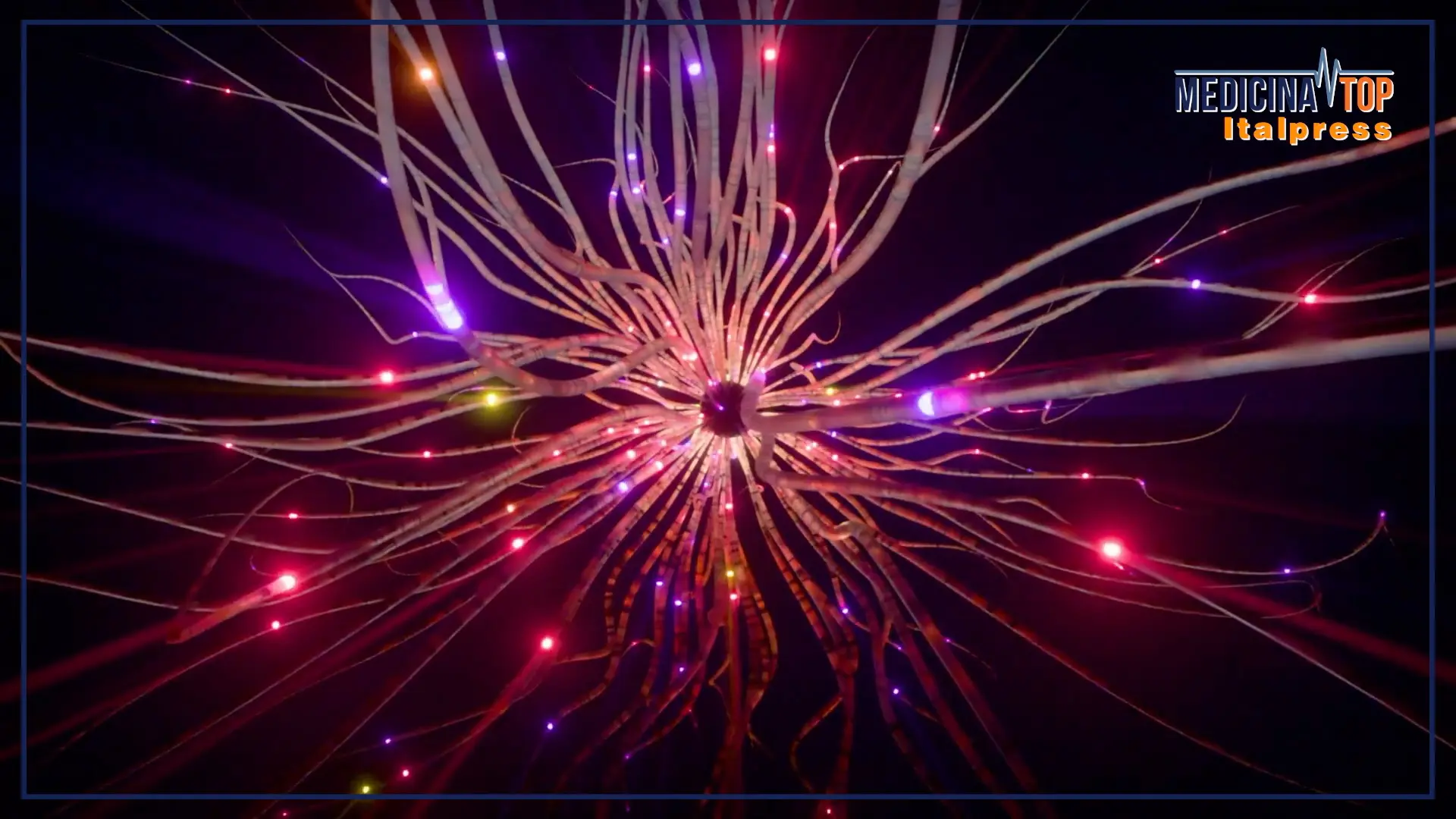
The first theme on which DiLuca focuses is plasticity, that is, “the ability that our brain has, even morphologically, to adapt and therefore to respond differently to stimuli. The other organs do not have this capacity: we do not change the number of cells but morphology, that is the intricate network of relationships and contacts between cells, and this happens when we walk, learn or learn social behavior. I have always surrounded myself with young people very interested in knowing the composition of contacts between the neurons and the formations of the synaptic circuits exciting: they are precisely the latter to regulate plasticity. Specifically, synapses are contacts between a part of neurons who wants to send a signal and one who is ready to receive it.”.
As for neurodegenerative diseases, he adds, “we have discovered that the first vulnerable body of our brain is precisely these contacts: all this precedes a frank neurodegeneration, so neuronal death, and it is the first moment when synaptic contacts begin to no longer work. We also realized that, for example in Alzheimer’s disease, all the components that must lead to the formation of amyloid are concentrated precisely in the excited synapses: we discovered a vulnerability of these exciting circuits, as a result of which our motor behaviour, learning and memory fall, all elements managed by these synaptic contacts.”.
At the economic level, explains DiLuca, “the brain diseases are the most expensive component for society at this time: in Europe, 15 years ago, we estimate that the cost for society is about 800 billion euros a year, a real madness. The essential point is to transfer our knowledge to new drugs: for many diseases there are, for example for multiple sclerosis and sleeping disorders, while on neurodegeneratives we are waiting for something more disruptive. On Alzheimer’s there is already something on the plate: they are probably drugs that in some countries of Europe and America have already been authorized and that give a very small gain to the patient and the families that assist them. The fact that there is a first entrance to something that I think will have in our hands between 5 or 6 years: I think the new technologies will help us so much in this sense, even to have more effective drugs. In Parkinson’s disease there are very nuisances of memory: the alarm bell is spatial learning, which happens when you start to lose in an environment where you are normally.”.
The last reflection is devoted to progress made at national level and to adapting to continental standards: “I think Italy holds a record of research products: if we simply talk about cutting-edge publications we are the first in Europe, while we are not in the transfer of such products to society; here perhaps we must confront France, Germany and Northern Europe.”.
-Photos taken from video Top medicine
(ITALPRESS).