
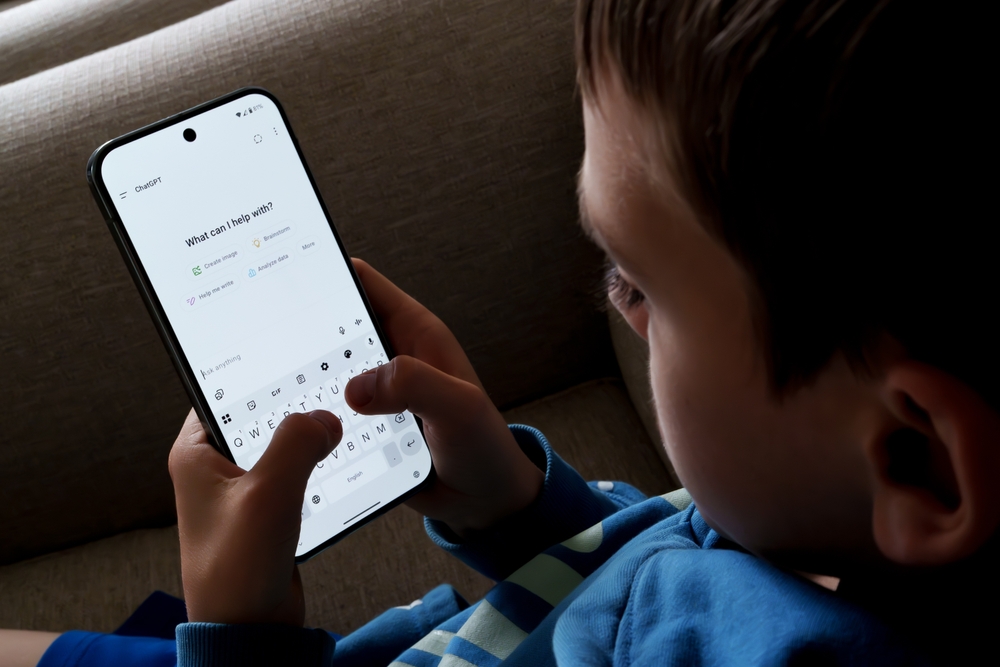
Digital technologies are not only changing the way we communicate, but also the way we approach others, we introduce ourselves, we try to build a bond. Even the first message, what was once born of embarrassment, intuition or audacity, can today be mediated by an algorithm. It is a change that tells a lot about our time and, above all, the way in which the new generations live the relationships.
It is interesting the article published by TGCOM24 entitled “The algorithm breaks the ice and points to sincerity: so the Gen Z ‘rimorchia’ with the AI”, because it focuses on a trend that is not only of costume, but deeply cultural. A concrete example is the innovative function of the Hinge dating app, which facilitates the beginning of conversations and which has been deepened in the BBC’s ‘Big Boss’ podcast.
To strike is above all the painting that emerges around the younger: as Hinge’s CEO Jackie Jantos observes, “singles between 20 and 30 years want love, but they struggle to find self-confidence necessary to put themselves in play, since they socialize less in person.” It is not, at least in appearance, a total delegation: artificial intelligence, as Jantos explains, offers suggestions for “expressing who you are, but does not write words instead of single”.
To confirm the phenomenon also contributes a research by Wyylde, a European platform for the exploration of free and consensual sexuality, from which it emerges that the use of artificial intelligence in the first online approach is perceived by many young people as a support to express themselves with greater naturalness and less embarrassment.
Although the algorithm does not completely replace the person, it certainly accompanies her in a delicate space, that of the beginning, of the first contact, of the vulnerability that each relationship brings with it. The article emphasizes that Generation Z, based on data relating to Hinge members, spends “about a thousand hours less a year interacting in person with other peers than the 20-year-olds.” It’s important. This means that technology not only enters the language of approach, but in a broader relational vacuum, generated by changed habits, from different times, by a sociality increasingly filtered by screens.
In this context, Zygmunt Bauman’s reflection on liquid relations is useful: more unstable links, more reversible, more exposed to fear of involvement and desire for control. The dating apps, and today also the AI that accompanies them, make the meeting easier, but also more mediated, more manageable, less exposed to the unpredictability of the other. The risk is that the relationship is already born within an artificial protection frame, in which spontaneity is calibrated and the correct emotion before being lived.
Wyylde’s survey reports that more than 70% of users enrolled in dating apps believe that the old opening phrases are exceeded and that about 2 interviewed out of 3 prefer “direct and spontaneous” approaches, based on “clearness of intentions, simple language, irony and respect”.
It is a significant signal: young people seek sincerity, not fiction. The real question, however, is another: what happens when to be spontaneous you rely on a machine that suggests how to be?
The problem is not only about sentimental relationships, but it involves the whole education at the meeting. If it becomes easier to confide with a chatbot facing a real peer, then a relational fragility emerges that cannot be ignored. In addition to the opportunities offered by the network, in fact, it also multiplies its drifts: superficial relationships, digital affective dependencies, idealizations, manipulations, up to the darkest forms of online deviance.
For this reason, it is necessary to return value to the concrete experience of the human relationship, without demonising artificial intelligence. It is necessary to invest in emotional education, real sociality and the ability to face the risk of the first step, without always taking refuge in an algorithmic mediation. Young people need not only more efficient resources, but spaces where they learn the language of listening, rejection, respect and reciprocity.
There is no shortage, however, an aspect that opens to hope. Even inside the platforms and automatisms, the need for deep ties continues. If we can accompany the boys in the use of technology without being replaced by it, then even an algorithm will remain what is really meant to be: an instrument. Because love, the true one, is not born from a perfect suggestion, but from the authentic courage to really show each other.
L’articolo Artificial Intelligence and the struggle to meet really comes from IlNewyorkese.