ROMA (ITALPRESS) – Abdominal hernias are one of the most common surgical pathologies: It is estimated that in Italy it is about 45% of the population, with a peak among men over fifty years and a total of over 150 thousand removal interventions. Hernias occur when a part of the abdominal content, usually a tract of the intestine, comes out through a weakness of the muscle wall: the most frequent locations are the groin, the navel and the median line of the abdomen. Without treatment hernia tends to grow gradually, becoming increasingly annoying: over time can cause pain, functional limitations and in the most serious complications that require urgent surgery.
“Hernia is an outflow of the bowel, from a weakness of the abdominal wall or of the muscles forming this wall. The causes can be different: there are congenital hernias, therefore present since birth, or acquired during life. Inguinal hernia is more frequent in males, the femoral hernia in females: It is also possible that it is born on a surgical scar, such as those on abdominal interventions that represent weaknesses”, said Stefano Bona, head of the General Surgery section of the Humanitas Institute of Rozzano, interviewed by Marco Klinger for Top Medicine, TV format of the Italpress press agency.
Bona is directed directly to those who suffer from it, underlining the urgency of immediately addressing a doctor: “If you perceive something that does not go to the abdominal level you go to the doctor, you do not do self-diagnosis: Hernia usually causes a swelling on the wall, but it can also manifest on the feet or it can even crush internally. Over time the size increases and with them related disorders, but aggravation is usually very progressive and the patient can realize it: the only real risk of hernia is stroking, which is a rare but dramatic event. In this case the operation must be done in an emergency, because we have little time: with the stroking it goes in suffering the bowel bowel bowel and if this is recoverable it reposes everything in place, otherwise a piece of the same intestine must be cut off”.
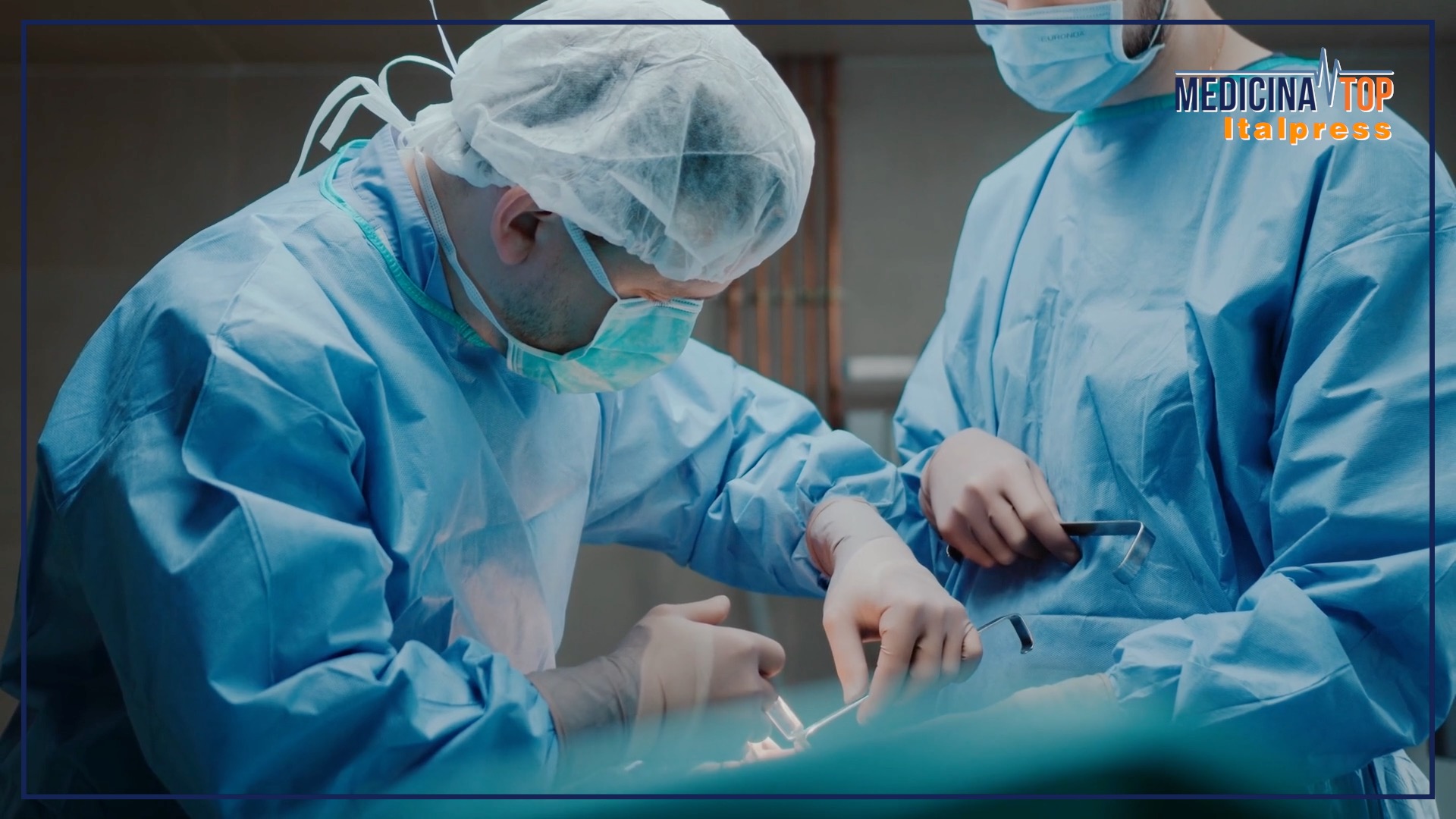
Another topic addressed is the very frequent use of mini-invasive surgery, which “guarantees less postoperative pain, less complications and faster recovery. The recovery depends on the impact of the intervention: at equal size and characteristics, both patient and hernia, mini-invasive surgery reduces pain after surgery so the patient moves more easily and recovers the usual daily activities in shorter times.” Few cases where hernia is associated with functional disorders: In that case, Bona explains, “ Patients may have postural disorders, back pain, pelvic, urinary or intestinal pain; These cases should be evaluated and surgically framed. In the first two years after pregnancy there is the possibility of a recovery from hernia: the abdomen is reassessed and there is the possibility to do physiotherapy, you can give tone to the muscle wall through specific exercises of rehabilitation gymnastics”.
Inguinal hernia, he concludes, “is the most frequent intervention in the world in all departments of surgery: in 80-90% of cases it performs in local anesthesia and in Day Hospital regime, like all small hernias, while for those big the speech changes.”.
– photos taken from video Medicine Top –
(ITALPRESS).