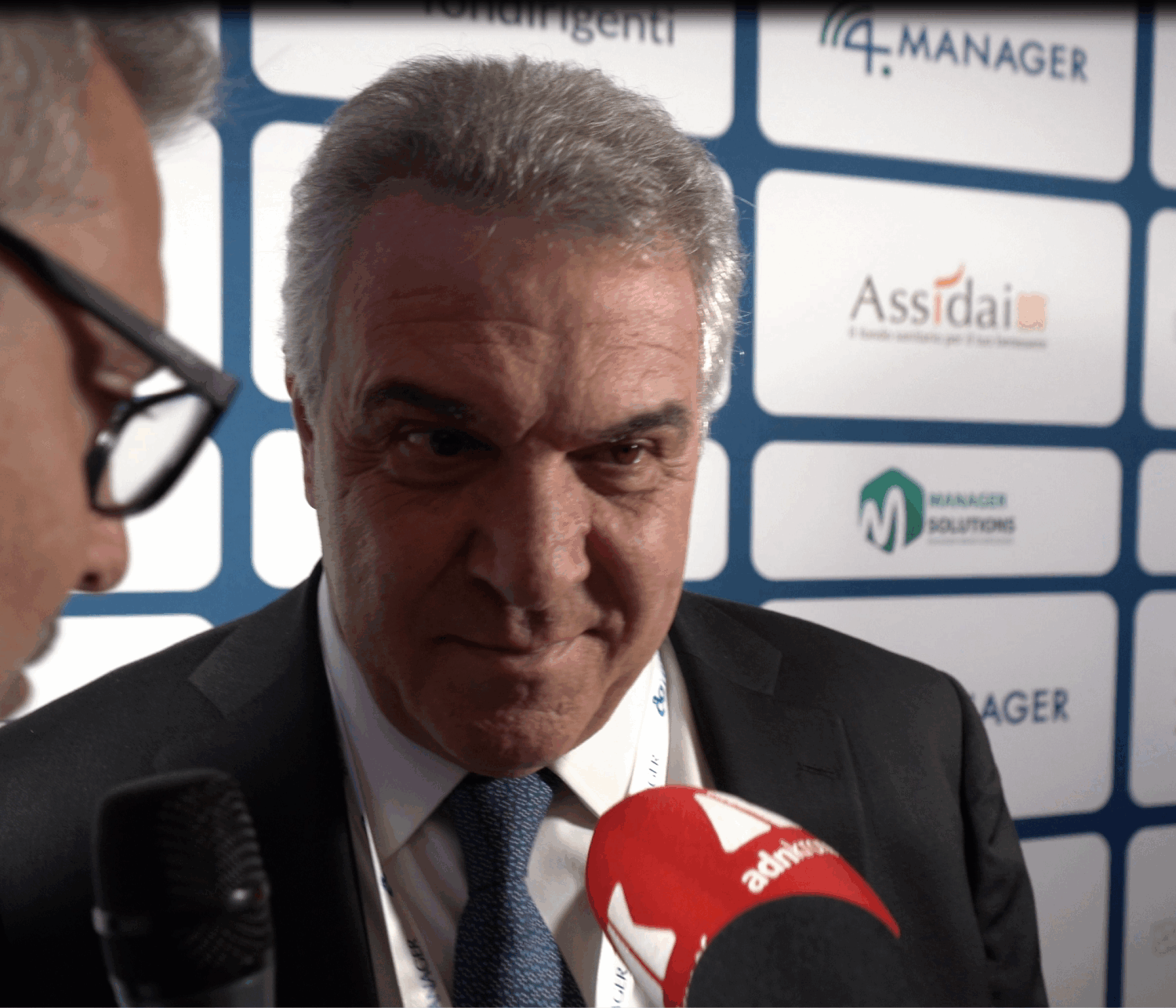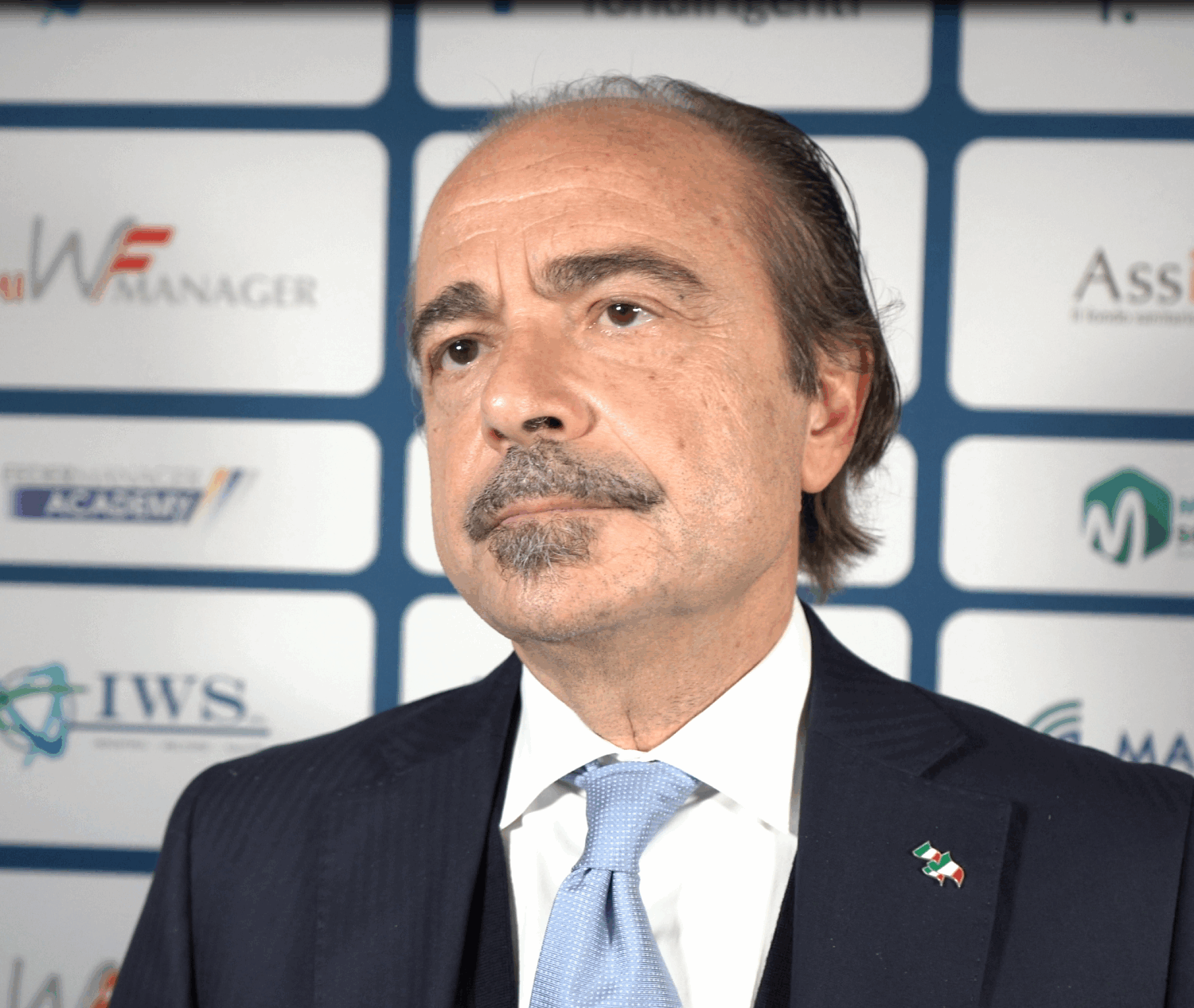
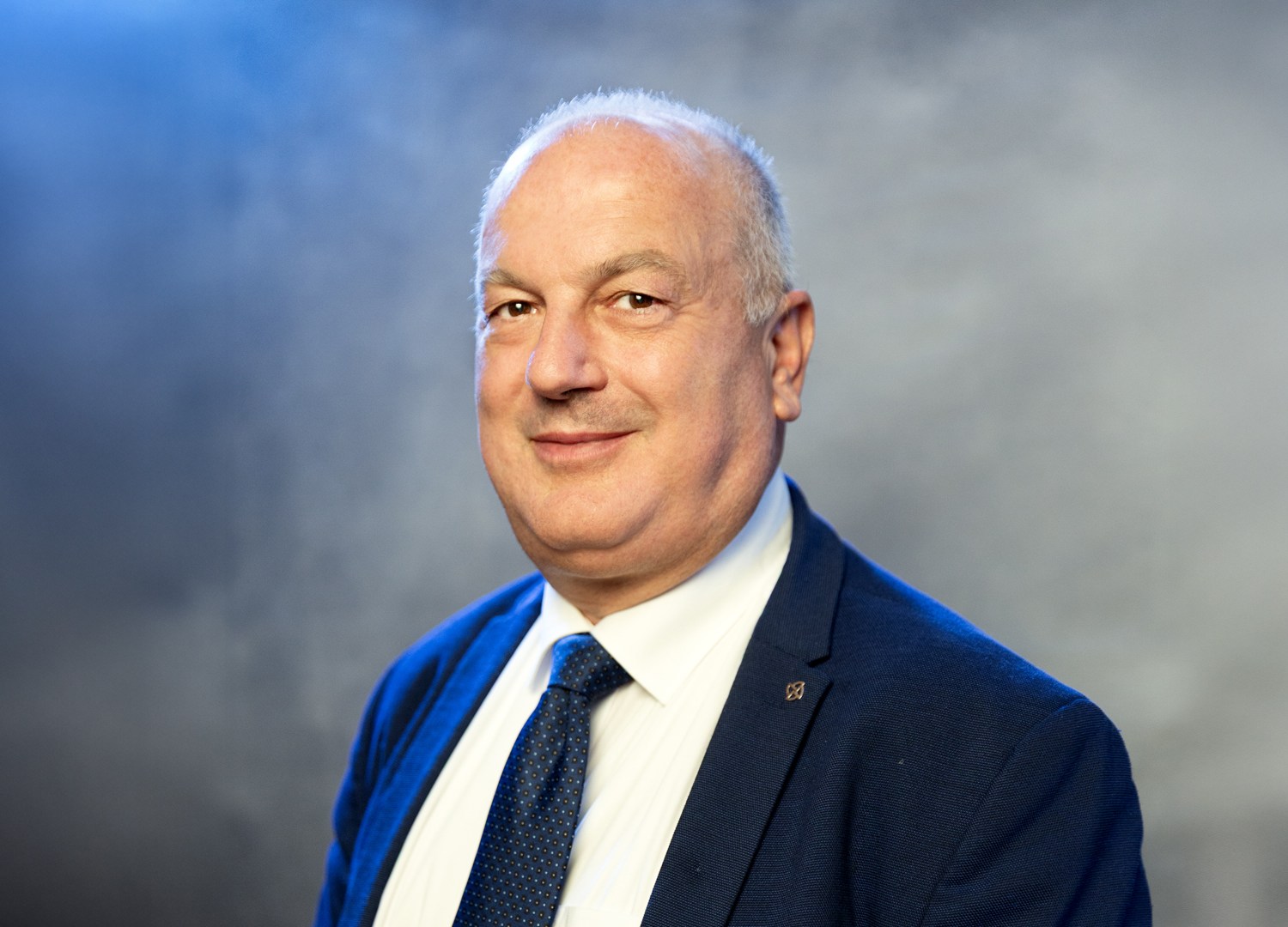
Receiving the Italian Reputation Award at Carnegie Hall, says Valter Quercioli, makes him “seriously very effective”, and explains it with a comparison. Doing good music in a theatre like Carnegie Hall and doing good management “have more in common than it might seem at first sight”: in both cases it is necessary to “enter in harmony with the audience” and “manage the whole structure”. Carnegie Hall, adds, is one of the great temples of music but also of music management, and therefore, ultimately, of management. On Saturday, October 10, the president of Federmanager, the organization that represents the managers of the Italian industry, received the award, in the third edition of the Italian Reputation Awards.
We ask him what the reputation for a manager represents. “It is what others think of him or her,” he replied, and the others are many, arranged in concentric circles: direct contacts, i.e. colleagues, leaders, customers and suppliers, and more outside the people working with the organization but are farther away from those first contacts. This is why the image of a manager explains, “reverberates along the entire ecosystem in which he works”. The company for which one works has its own reputation and the two can strengthen one another, but “the reputation of substance is what I build myself”. A large brand gives a tow effect, which however lasts little: “Where do you come from if you are no longer interested in anyone”, he says, after one or two years of work. It counts what one has been able to build with his own behaviors, and counts as the manager sees himself: knowing how to manage his reputation means knowing how to compare, he says, “in an open way what I think of me regarding the reputation that comes from the outside world”.
For an Italian manager, he adds, it is more difficult to build a reputation at home: «No prophet at home». Foreign managers, technicians and Italian students today have a great reputation, because they are considered capable, concrete, flexible, and they are brought behind some of the positive halo of made in Italy. But only at the beginning: then you have to confirm your expectations. In Italy, Quercioli underlines, it is necessary to improve the ability to communicate: the average Italian manager, he says, is a person of value that, however, “is able to do but often does not know how to make known”. Too many times he can’t use social media well and, when he uses them, he tends to flatten too much on the company’s brand. Learning to communicate more, he says, it would be important to make more recognizable its contribution to value creation, even in public debate.
On this is the perspective of developing a network of links between Federmanager and the managerial communities in the United States. A reality that Quercioli imagines “not as an association of mere territorial garrison, as a hub of competence, a network of talents”. Connecting the Italian managerial and industrial community with Italian expat managers in the United States, the Italian-American community and American managers working in companies present in Italy would have a great value for everyone. The benefit, he explains, would not lose sight of these overseas talents and offer a point of reference for managers, small and medium-sized enterprises and young entrepreneurs who intend to develop relationships and opportunities between Italy and the United States, two complex countries with very different labor cultures, in short to offer “a real community of interests, a cultural and managerial bridge”. The shape, adds, is still to be evaluated. Federmanager certainly does not want to present itself as the organization of the collective contract, but as the engine of a network able to value skills, generate opportunities and multiply professional connections on both sides of the Atlantic. Quercioli recalls Newton: you can see further climbing on the shoulders of giants.
In the Italian debate we talk about brain escape. For Quercioli the right word is another: brain circulation. “The real point is not to recall talent,” he explains, but to circulate ideas and connect Italians in the world, so that the Italian system will benefit. Knowing first the managerial practices that arise in the United States or China, observes, allows to transfer them more quickly in the Italian production system, anticipating competitors and thus acquiring a competitive advantage.
In his experience, some professional and cultural habits may require an adaptation to the different American organizational context: «You are too passionate», too involved in the way of expressing your ideas, while the American manager, observes, appreciates the cold and shiny reasoning, with numbers and diagrams, open to integration with ideas of others. Then time: for the Italians there is “the fourth academic hour”, for the Americans the time indicated is that. And too unstructured meetings disturb those who expect an agenda and a result: Quercioli remembers that Americans have a word that is not in Italian, the deliverable.
On the issue of women at the top, who put at the center of his mandate together with young people, Quercioli moves the attention even upstream. In industrial companies, she explains, the presence of women in entry levels is still too limited, also due to the lack of participation of girls in STEM training courses. But the theme is not only about access to skills: it is equally important to remove cultural and organizational barriers that still hinder the professional growth of women, ensuring equal effective opportunities in the paths towards apical positions.
Finally, on artificial intelligence, Quercioli indicates a boundary: “The responsibility of decisions must always remain human”. A manager, he says, will never be able to hide behind a “the machine decided it”, because the final responsibility must always be his.
Among the Italian managers who estimate, Quercioli mentions Claudio Descalzi, managing director of Eni, confirmed this year for the fifth term, to which he recognizes “all the characteristics of Italian manageriality”: the ability to transform a company, to grow and value the internal talents and interpret his role also as a responsibility to the service of the Country. And when we ask him a word to describe the Italian manager in the world, Quercioli’s answer is: “Efficace”.
L’articolo Valter Quercioli and the idea of a Federmanager network between Italy and the United States proviene da IlNewyorkese.