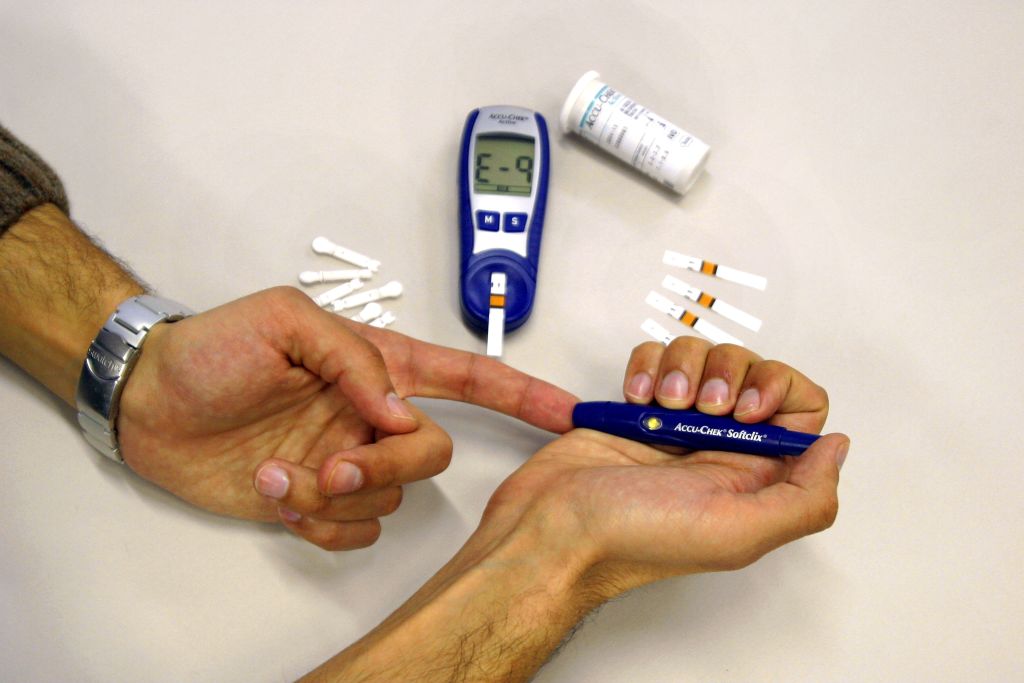
ROMA (ITALPRESS) – Green light by the Committee for Medicinal Products for Human Use (CHMP) of EMA on the marketing of the first combination of weekly icodec basal insulin and weekly semaglutide – IcoSema. The new option combines two complementary action mechanisms in one formulation and has been developed to promote glycemic control and reduce therapeutic complexity. The clinical evidence available also assessed the effects on the risk of hypoglycemia and body weight.
“Management of type 2 diabetes – explains Francesco Giorgino, Professor of Endocrinology of the University of Bari Aldo Moro – cannot be assessed exclusively through the achievement of glycemic targets. The growing age of interested people and the frequent presence of cardiovascular, kidney, liver and weight problems require a comprehensive approach, oriented to clinical outcomes and the daily experience of the person. In this context, the new combination is important because it combines in a single weekly formulation complementary action mechanisms, with the aim of promoting glycemic control and simplifying treatment”.
In Italy more than 4 million adults live with diabetes, over 90% of them with type 2 diabetes. Insulin remains a pillar of the treatment of this pathology; however, about 26% of people with type 2 diabetes who need insulin therapy delays the beginning of treatment for over two years, with possible consequences in terms of complications. Studies show that even after insulin therapy began, many people with type 2 diabetes do not achieve adequate glycemic control. The therapeutic inertia continues to be one of the main obstacles in managing this chronic disease.
Insulin is often delayed and, when introduced, treatment intensification encounters further difficulties. At the base of this phenomenon there are fear of hypoglycemias, the high number of administrations to which today a patient must undergo, the complexity of therapeutic patterns, an organizational and psychological burden linked to therapy and also the risk of weight gain. The consequence is a delay in achieving therapeutic goals and a negative impact on clinical outcomes. In the Combine Clinical Development Program, IcoSema has been evaluated as an insulin intensification strategy with a single injection per week (52 in a year), compared to over 1000 in a year, in people with type 2 diabetes not properly controlled with basal insulin, GLP-1 receptor agonists or oral antidiabetics. Within the framework of the four clinical studies, the treatment has achieved the primary objective of glycemic control; results have also been observed on the body weight and frequency of hypoglycemias with respect to the multi-injective comparison regime.
A lower complexity could also support the clinical in starting and intensifying treatment, favouring adherence. “This new therapeutic option is part of the development of type 2 diabetes management. The attainment of glycemic targets remains essential, but the evaluation of the treatment must also consider the clinical complexity of the person, the frequent presence of cardiovascular, kidney and liver comorbidity, body weight and the daily impact of therapy”, adds the diabetologist.
“In this context, integration into a single weekly formulation of basal insulin and an agonist of the GLP-1 receptor is an option of interest, because it combines complementary action mechanisms and can help reduce some barriers to start and intensify therapy, including the number of administrations and the complexity of therapeutic schemes. Injective load reduction could support adherence and improve quality of life. Innovation in the care of diabetes should therefore be evaluated considering, together with effectiveness and safety, the simplicity of treatment, clinical appropriateness and the centrality of the person”.
After being the first country in the world to make available the weekly insulin, Italy can now be the first country in Europe to make available to people with type 2 diabetes this new formulation, confirming its role in access to innovations for the management of chronic diseases.
“In this context – Giorgino concludes – Italy can play a significant role in encouraging timely and appropriate access to innovation for people with type 2 diabetes, in compliance with the evaluations of the competent authorities and the sustainability of the Health Service. In this sense, the hope is that the health authorities of our country carefully consider this new therapeutic formulation to offer a concrete response to the still unsatisfied needs of people with type 2” diabetes.
– Photo Ipa Agency –
(ITALPRESS).