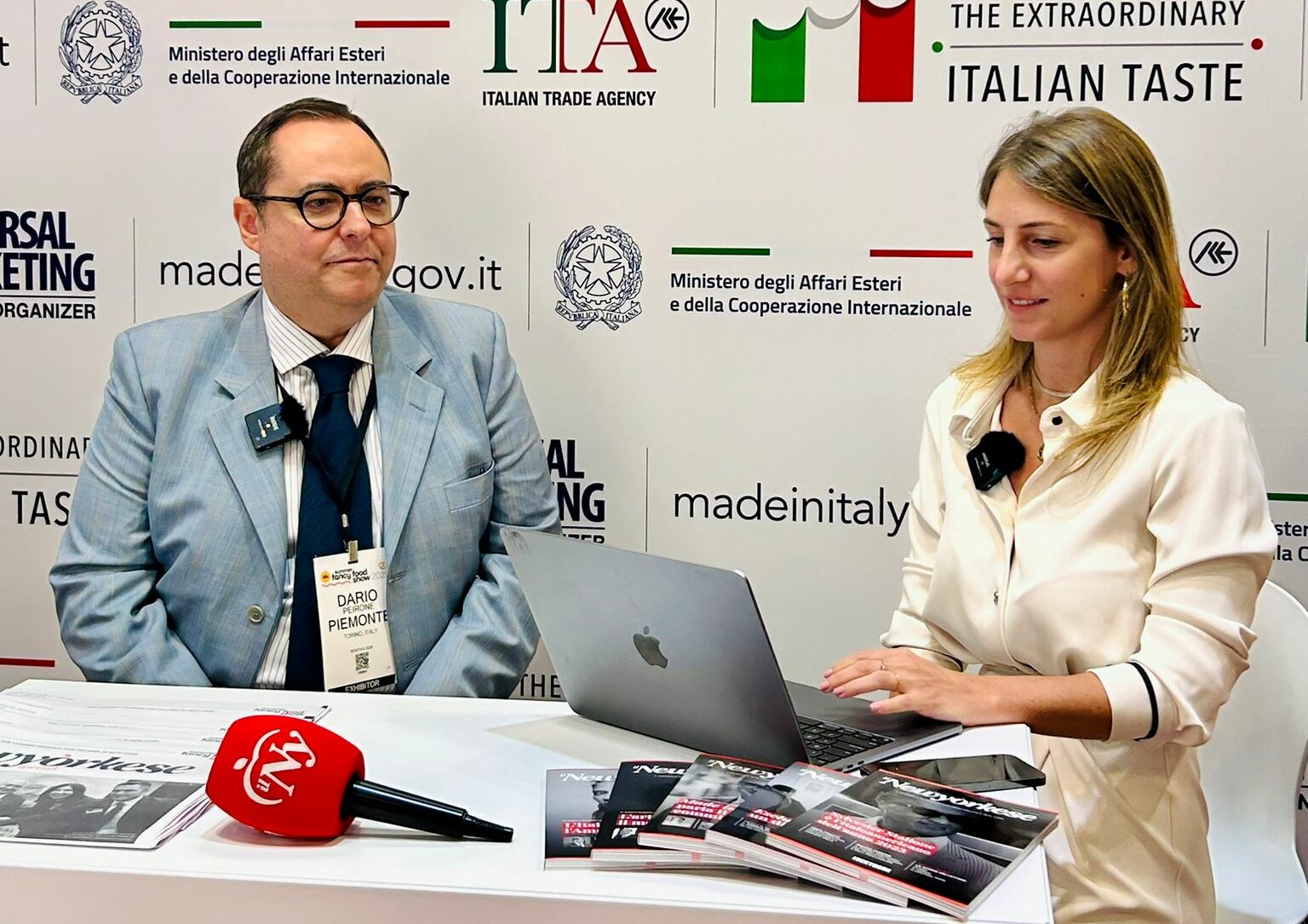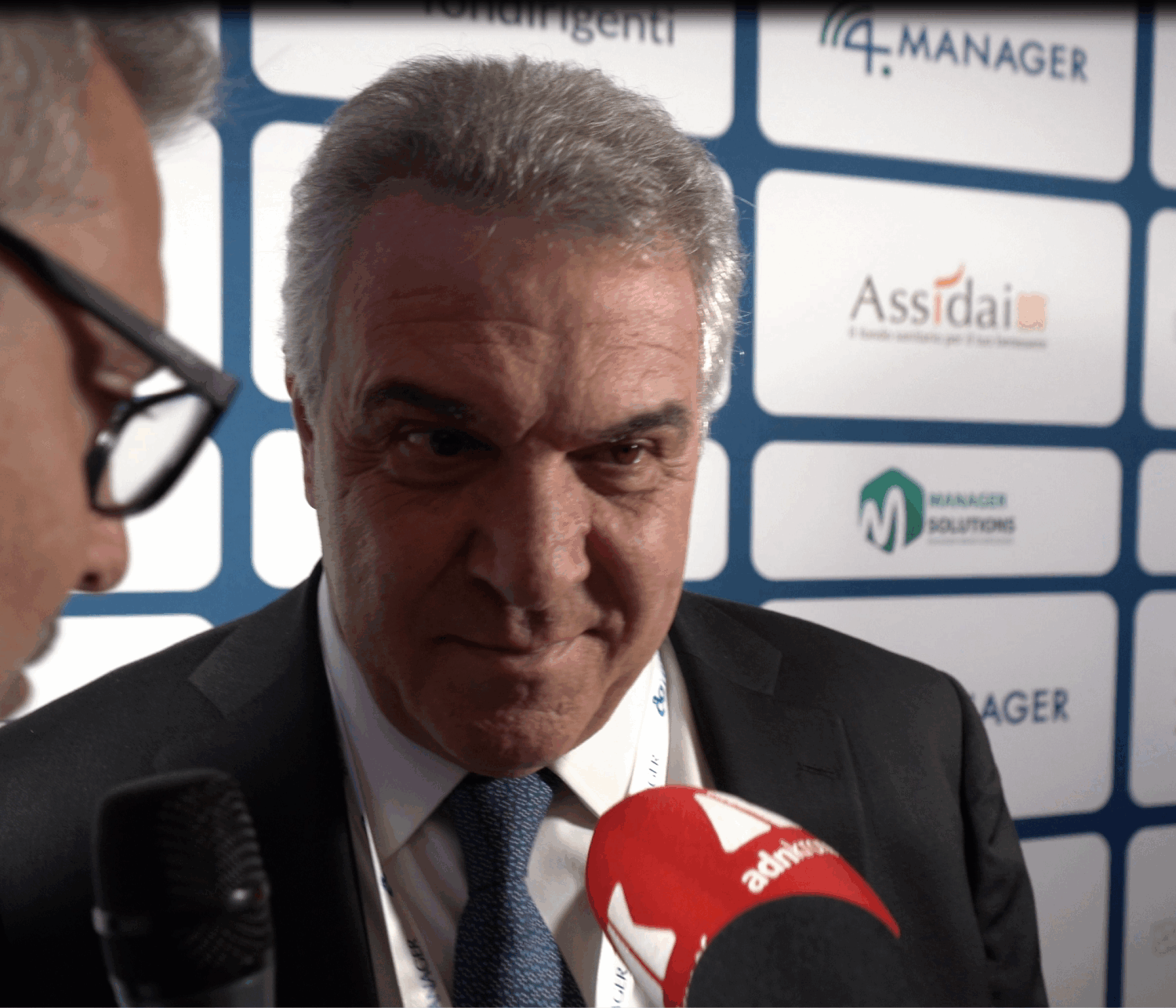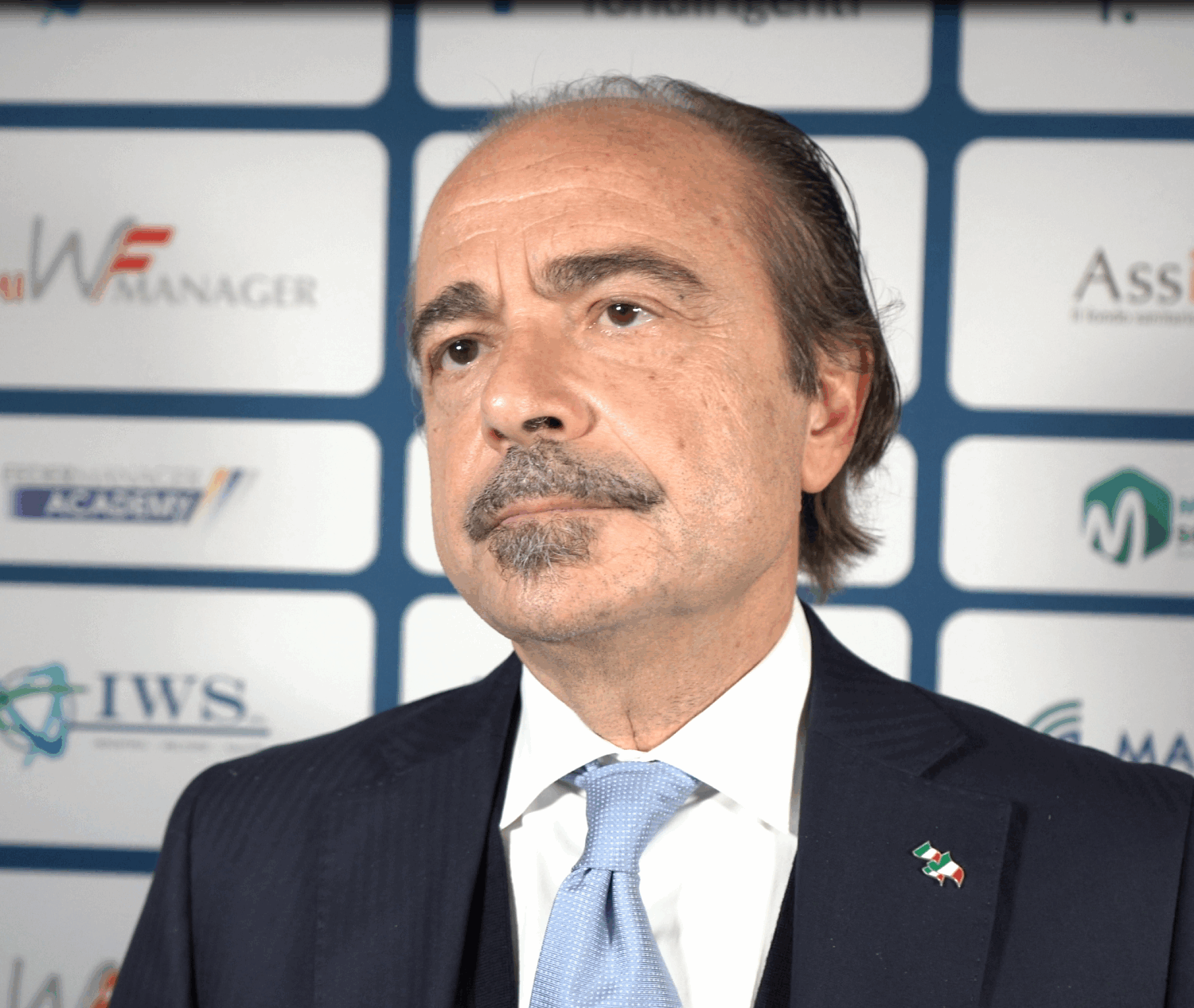
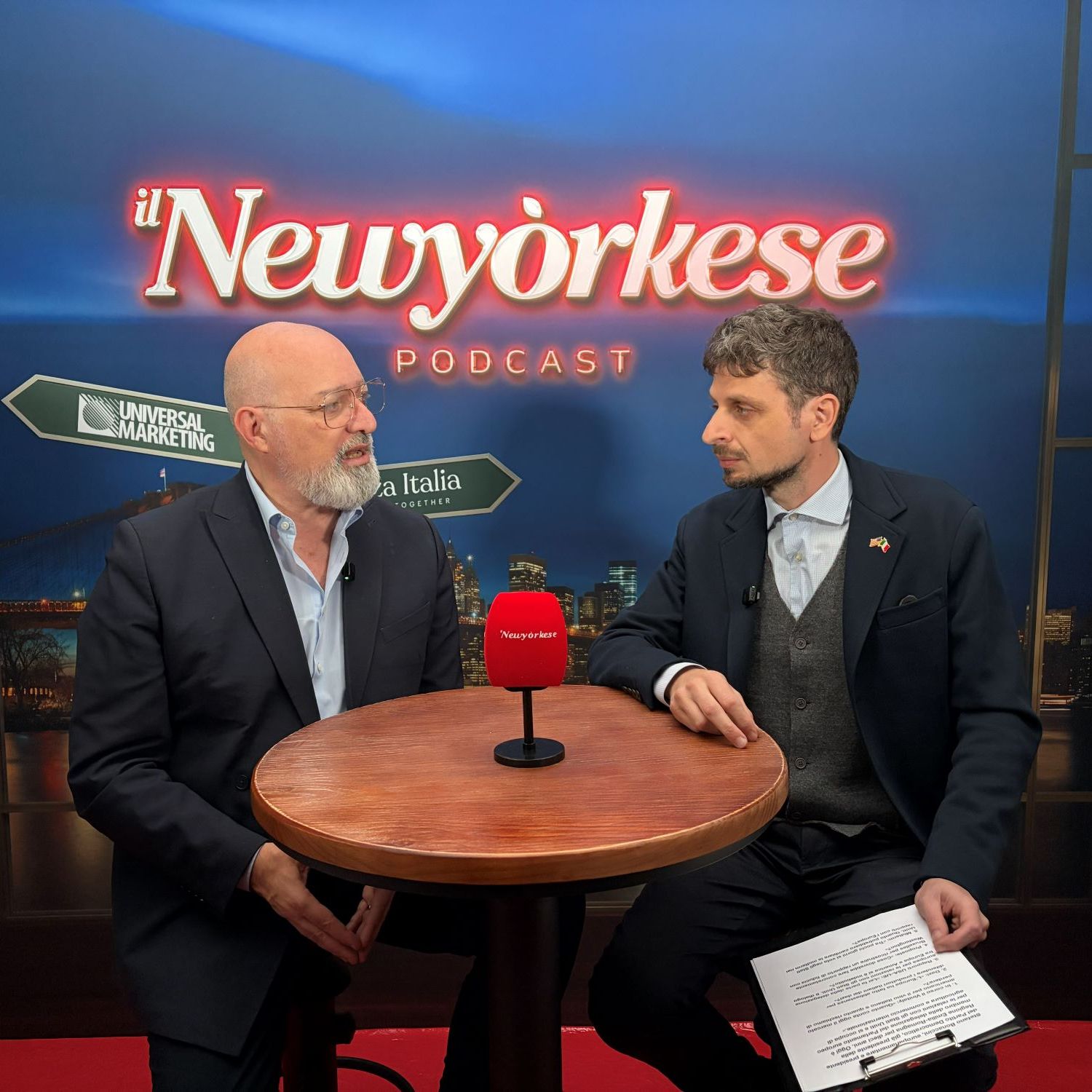
Stefano Bonaccini knows the United States well. In the ten years leading Emilia-Romagna has crossed the Atlantic several times, accompanying companies, building institutional relationships and promoting agreements with states like California and Pennsylvania. Today, as a MEP and president of the Democratic Party, he observes that relationship from a different perspective: that of a Europe that must deal with an increasingly less predictable ally.
We meet him in New York, during the days of Vinitaly, while the debate on American duties continues to worry Italian producers. The conversation starts with wine, but moves quickly to American politics, the future of the European Union and the difficulties of progressives, which both in Europe and in the United States struggle to regain part of their traditional electorate.
Bonaccini does not spare criticism of the Meloni government, but not even the European Commission supported by its own party. This is about Donald Trump, the next midterm elections and the growing distrust of the new generations. Then it comes back on a theme that, especially on this part of the Atlantic, is very dear: the relationship of Italy with its citizens abroad.
President, let’s start with your presence in New York. Italian wine is one of the most recognizable symbols of Made in Italy, but American duties are changing trade balances. How worrying is the situation?
“Altogether the Italian export to the United States has increased, despite the duties. On wine, however, we record a decrease of 10% in 2025 compared to 2024. If we consider the entire European Union, we even reach 20%. It is understandable: the duties on wine were very low and their increase, added to a euro-dollar exchange favourable to the euro, creates important difficulties. A manufacturer can decide to absorb costs, but thus risks compromising the sustainability of their company and jobs. Or you can transfer them to the final consumer, with the risk of losing a part of the market. Trade wars have never brought anyone well. These duties hurt Italy, but also the United States. »
Has Italy done enough to defend its own businesses?
“I don’t think so. And I do not want to politicize this because I represent a political part other than that of the government. I think it has not done enough either the von der Leyen Commission, which we have also supported the European Parliament. But I remember when Meloni came to the White House. The Italian media, especially public television, spoke about it as the event of the century. She actually spoke a few seconds, a few dozen seconds, while she almost always spoke Trump. Returning home, duties were brought to 15%. In some sectors, such as steel and aluminum, they were even doubled from 25 to 50% Italy has had an attitude too weak, like the European Union. You could have a much more robust attitude, straight back. The European market is also extremely important for the United States. »
You are part of the European Parliament’s delegation for relations with the United States. Has the transatlantic relationship really weakened or simply crosses a difficult phase?
“I’m losing some certainties I had accumulated over my life. I’ll be sixty years old next January and I never thought I should comment on a president of the United States who, instead of working to strengthen the Atlantic Pact, seems to work to weaken it. I’ve said several times that people like Bush or Reagan will be turning into the grave. They always worked to strengthen the relationship with Europe. But the United States remains too important for Italy and Europe. We must hope that a more fruitful collaborative season will be opened. In Brazil and Argentina, where millions of people of Italian and European origin live, duties on products such as wine and cheese reached 30 or 50%. Eliminating them means opening extraordinary opportunities. But this does not change a fact: the American market remains irreplaceable. »
Could the midterm American election change anything?
“I hope so. If they went in a certain way, as we predict, I hope someone can bring to more mild advice the American administration. It seems to me that it is abandoning those who have largely won it: the workers, a part of the Latins, the middle class who was afraid to slip into poverty. I do not hide concern for the American political climate, especially after the assault on the Capitol of 2021. I remember being awake one night, stunned. I felt like watching a Hollywood movie. Seeing that assault, the wounded, the victims, in the world’s greatest and long-lasting democracy, seemed impossible. I hope it doesn’t happen again. »
What should Brussels do today to rebuild a more balanced relationship with Washington?
«Having a stronger attitude. It does not mean looking for the fight, we would miss it, but try to reach agreements that correct what has been done. The economic and commercial potential of Europe is there. Every dollar spent on American soil for Italian or European products generates an induced here too. You should remember. »
Italy has often tried to propose itself as a bridge between Washington and Brussels. Is this a strategy that can work or does Europe have to speak with one voice today?
“Europe represents just over 5% of the world population. Thinking that every single national state can compete alone with colossi such as the United States, China or India means not understanding the world we live in. If each European country thinks of competing alone, it would have a marked destiny: to choose who to be sweated. It is the European Union as a whole that can still play a significant game. »
The United States, despite political divisions and economic difficulties, continues to exert a great attraction. What should Europe learn from America?
«My generation has grown with two certainties: that studying we could have obtained a higher degree of study than that of our parents and that we would have been better than them. My daughters and my three-year-old granddaughter are almost certain that they will be worse than their parents or their grandparents. When you grow up thinking the future will be better, you can vote who you want, but you have confidence. Today in Europe this confidence is lacking. The Americans know that, regardless of who governs them, they will remain a great economic and military power. This sense of belonging, in a country with such a vast melting pot, is a force from which we should learn. »
But politics seems to reward more and more those who raise tones, provokes and succeeds in capturing attention. How can progressives get out of this spiral?
“We should learn to be non-populists, because those are our opponents, but more popular. We must return to the places where we suffer, in the outskirts of the cities, in the inner areas, among the less schooled people, among those who struggle to arrive at the end of the month. The left historically was born to represent who has less or had less opportunity. We have to go back there. We live in a world that is becoming increasingly unfair, with rich and less numerous but increasingly rich, and poor that become increasingly poor. And the audience of those who would never have thought to be in that condition widens. »
Then there is a theme that concerns directly millions of Italians in the world: the political representation of citizens living abroad with the new electoral law. Is it likely to lose the relationship with an important part of the country?
“It’s a real risk. Think of an elected Senate who should represent Italian citizens resident in any country in the world. That’s crazy. They did it because they calculated where they have more strength, especially Brothers of Italy. Some of them even let it be understood. Italians abroad are a cultural, historical and valuable heritage. People who, through huge sacrifices, have brought value to their families, even to those left in Italy, and to the countries that have welcomed them. I think Italians have given a great contribution to the progress and economic growth of this country. »
You have maintained a very close relationship with Emilia Romagna in the United States. How much is the link between the Italian regions and their communities abroad?
“I very much appreciate that the Emilia-Romagna Region has continued, and is even strengthening, this presence even after the end of my mandate. Today the region can count on 46 DOP and IGP products, one of the most important certified agri-food heritage in Europe. Among these Parmigiano Reggiano, Parma ham, Modena balsamic vinegar and Bologna mortadella, products that in the United States have found a particularly receptive market. But the link with Italian communities should not be reduced to commercial promotion. We must value what they represent from the cultural, historical and valuable point of view. And do it independently of political affiliations. »
Italians often have a partial image of America. But even Americans, perhaps, know only part of contemporary Italy. What is the quality of our country that is most underrated?
“Our capacity for resilience. I think of the emergencies that have put Emilia hard to test when I was president. We have experienced a devastating earthquake, a pandemic that the world has not known for a century and a flood that in 2023 was one of the most catastrophic events in the world. I wish no one to live what we lived. Yet, this has shown how in the difficulties we know to stuff our sleeves and find the strength to resist. The Italians also showed it coming here in the United States. I continue to consider this a great country. I really hope that a season of important and fruitful dialogue between Europe and the United States, between Italy and the United States, will reopen.”.
L’articolo Bonaccini has quite clear ideas on the relations between Italy, Europe and the United States proviene da IlNewyorkese.