There are mornings when New York wakes up without heaven. You can see from the color of the air, a pearly grey that dangles between the brick and crystal canyons of Midtown, and from the rhythmic and heavy peak of the rain on the outside air conditioners of the windows. The immediate reaction of the tourist is a motion of stizza; that of the in love of life, instead, is a taste of curiosity. Because rain, in New York, is not a simple atmospheric phenomenon: it is a chemical reagent that alters its perception, cleans its smell and, above all, splits its social soul into two.
The first miracle of rain is physical, almost biological. New York, with its density and perennial traffic, is a city that accumulates dust, stress and heat. When the water falls on the sidewalks of Eighth Avenue, the effect is that of a giant purifying shower: the thin powders descend to the ground, washed away to the graves, and the air suddenly becomes light, sparkling, breathable as only on these occasions happens. The lungs thank, the nose rediscovers the clean smell of ozone that for a few hours defeats the fumes of street food and drains.
Below, the noir effect is completed by the rite of the road comignoli. The contrast between the cold water that penetrates the subsoil and the high-pressure steam pipes that flow under the asphalt generates columns of white and dense smoke that erode from the tombins. New York starts smoking, transforming every intersection into the perfect setting of a crime scene from the 1970s.
For those who are lucky enough to live the city with dry shoes and credit card in their pocket, the rainy day has an indisputable, almost romantic charm. It is the perfect excuse to get into the underground corridors of the Rockefeller Center, to get lost among the historical cars of the Transit Museum in Brooklyn or to enjoy the spectacle of Central Park from a glass window, perhaps by tightening the hot cartoccio of a stuffed bagel or a long American coffee.
The rain selects tourism, slows down the hysterical rush of the sidewalks and gives a beautiful liquid aesthetic: the yellow taxis that rub up raising splashes of water, the reflections of the lights to the neon of Times Square that double on the wet pavé, the colors of the umbrellas that cross as in a pop choreography. Moving into this wet New York gives the feeling of being part of an exclusive club, where meteorology becomes an element of complicity among passersby.
But just lower the look of a meter, moving the eye from the illuminated windows to the gates of the palaces or the metro wall, to remember that New York does not make discounts to anyone. For homeless people who populate Manhattan’s sidewalks, rain is not poetry: it is a deaf anguish, a direct threat to survival.
When the water falls, the cartons used as mattresses are soaked in a few minutes, becoming cold meat. The sleeping bags weigh, the clothes glue to the skin and will not dry for days. The shelters of luck under the cornices of the Penn Station or near Port Authority become the subject of silent and desperate disputes. In the rain, the indifference of the metropolis becomes more sharp: people run with the low umbrella, the fixed gaze not to stumble in the puddles, ignoring even more those wet bodies bare in the corners. For the invisible of Gotham, the fog that hides the skyscrapers is not a game of suggestion, but the fog of a city that, when weep from the sky, seems to want to wash them away together with the dust of the road.
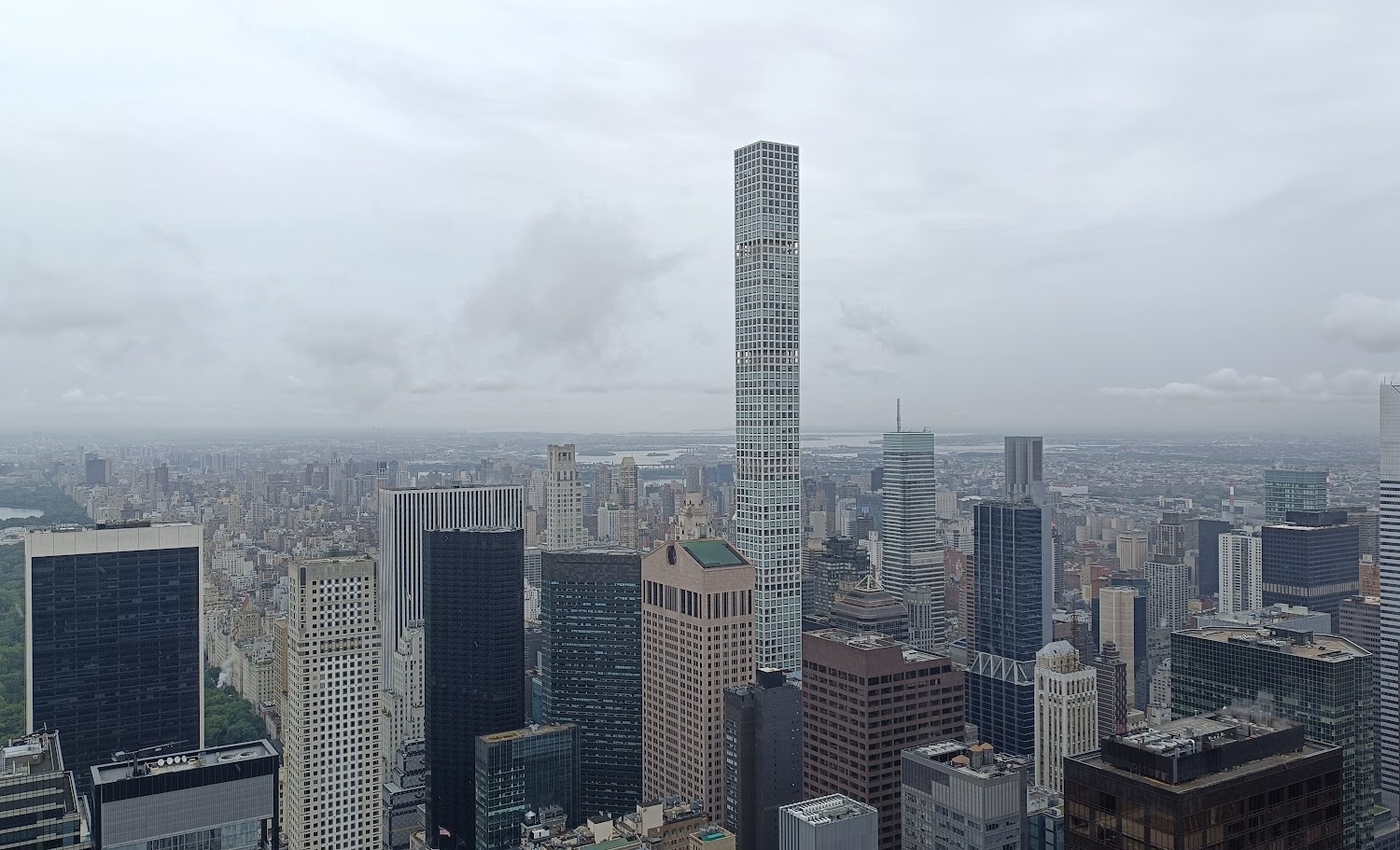
However, the real city disappears. The fog, dense and low, drops to lambire the roofs of the three-storey buildings and literally swallows the top of the skyscrapers. The Empire State Building and the Chrysler are no longer points of reference, but giant hubs whose shells are lost in the gray void, as if the architecture itself had decided to take a break from eternity.
L’articolo The liquid aesthetics of New York: when the rain washes Manhattan comes from IlNewyorkese.