
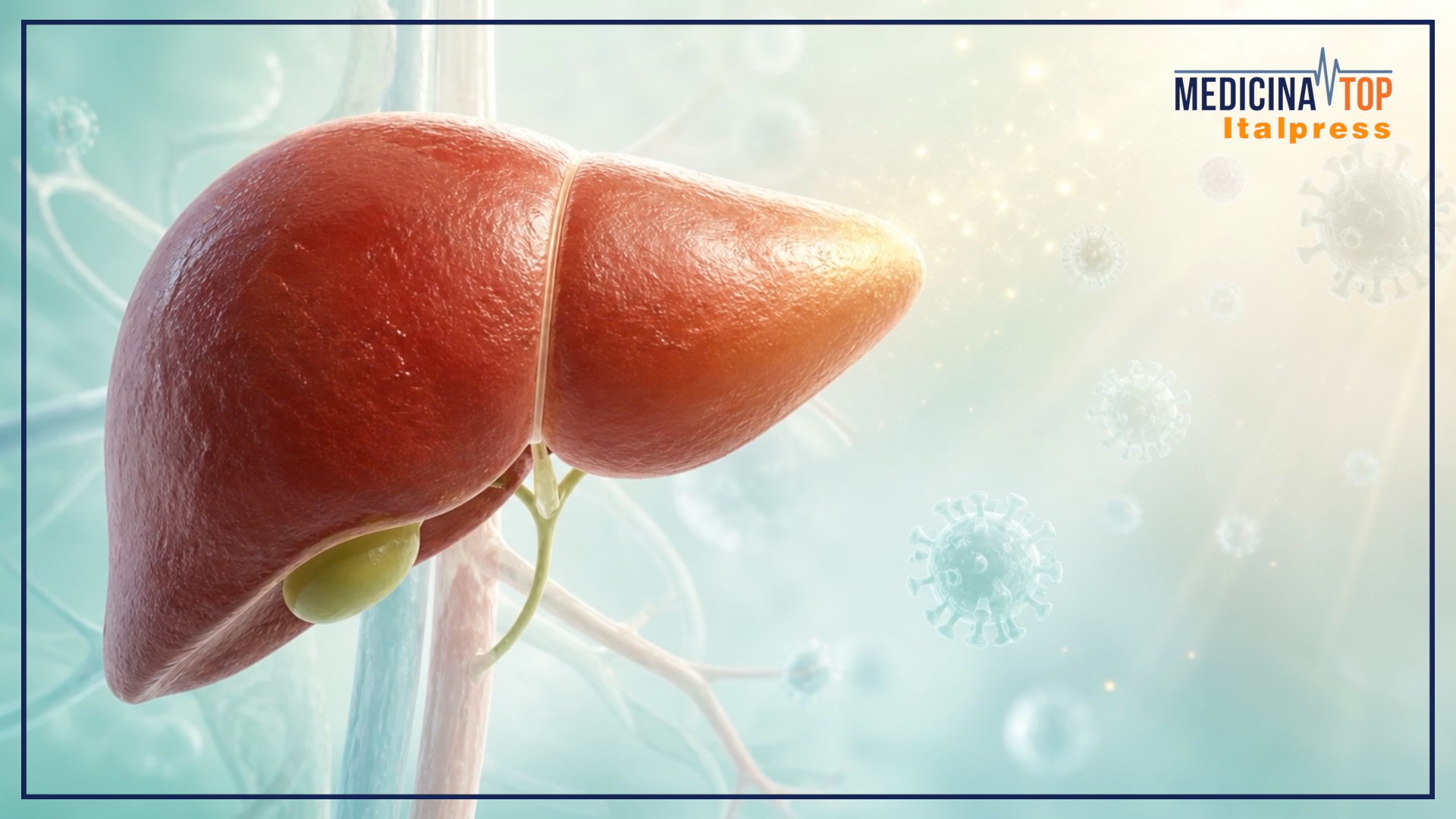
ROMA (ITALPRESS) – Viral hepatitis are infections that affect the liver and are mainly caused by viruses A, B, C, D and E. In most cases hepatitis A cause acute infections that resolve spontaneously; for hepatitis B there is a very effective vaccination, but a cure that in the expectation of new drugs is limited to inhibit the replica of the virus; hepatitis C, as well as B, can become chronic by increasing the risk of cirrhosis and tumor of the liver; hepatitis D is present in subjects where.
Still today hepatitis are one of the main causes of death for infectious diseases: according to the World Health Organization in 2024 about 287 million people lived with a chronic infection of hepatitis B or C, due to 1,3 million deaths. “Hepatitis are liver inflammations that can be acute or chronic: in the latter case they can lead to cirrhosis and, in severe cases, to cancer. They are caused by at least five viruses that have a toxic effect in the liver, trigger an immune response and generate inflammation: cirrhosis is caused by a number of scars that are generated in the liver due to chronic inflammation.” Mario Mondelli, professor emeritus of Infectious Diseases at the University of Pavia, interviewed for Top Medicine, TV format of the news agency Italpress.
The first theme on which Mondelli dwells is linked to the main foods from which the virus can be contracted: “With hepatitis A, which like hepatitis E is transmitted by food, you have to be extremely careful with raw molluscs, seafood and all foods not sufficiently cooked. The virus is extremely diffused especially in environments in contact with sewage discharges: there were also cases in which infected waters, used to spray strawberry crops, raspberries and other berry fruits, contaminated these fruits and generated cases of hepatitis. In summer we are much more likely to eat fish and there are regions such as Puglia where the consumption of raw fish is a real religion: you have to be very careful about this.”.
As for the symptoms, he adds, “it must first distinguish between young people and adults: children are generally asymptomatic and, for example, in developing countries they are infected immediately, becoming automatically immune; in fragile elders hepatitis A can put life at risk and is usually symptomatic. In this case it becomes ‘yellows’ and the ittery appears, so called for the presence of the hetero that is caused by an increase in the serum of the bilirubin: in general in adults the course can also be prolonged and in 80% of the cases to characterize the virus is precisely the hetero. With the European Society of Infectious Diseases we have thought of writing an article that would guide not only specialists, but also general practitioners: we have at our disposal a variety of extremely effective vaccines against hepatitis A, we have in front of the eyes the experiences of Israel and Argentina that have managed to completely defeat the virus vaccinating during childhood; our goal is to pass the message that a vaccination, even with one degree rather than two.
According to Mondelli, the most dangerous among hepatitis is the E, “caused by a virus that behaves in a way similar to Hepatitis A virus: for years it has been considered an exotic virus and a problem related to the States ex Urss, India, Pakistan and Bangladesh, but also in Europe is widespread. It is actually two different families of hepatitis E: the exotic one is transmitted by man, while the prevailing one in Europe is transmitted by the pig and by small rodents. There are about 20 million new infections a year, so it is the most frequent cause of acute hepatitis in the world: in pregnant women there is at least 25-30% mortality for reasons that we still do not fully understand, while in immunodepressants the virus can become chronic because the individual fails to function with his own forces.”.
The last reflection is dedicated to vaccinations, on which further steps are needed: “For hepatitis B, which is the most widespread in the world, we have an excellent vaccine that in a couple of generations will significantly lower the new infections: it will take some time, but vaccination is now widespread in all countries. For hepatitis C, which is the cause of chronic viral hepatitis, cirrhosis and liver cancer, we have an excellent cure: those who have the virus can heal thanks to these new cures almost in 100% of cases, but we do not yet have a vaccine and this does not allow to completely eradicate the disease; perhaps we can achieve a local elimination in certain countries, but not throughout the world. For hepatitis A and E we have excellent vaccines, but the only one is available in China and for regulatory reasons is not imported into Europe and the rest of the world: I hope that one day this will happen.”.
-Photos taken from video Top medicine
(ITALPRESS).