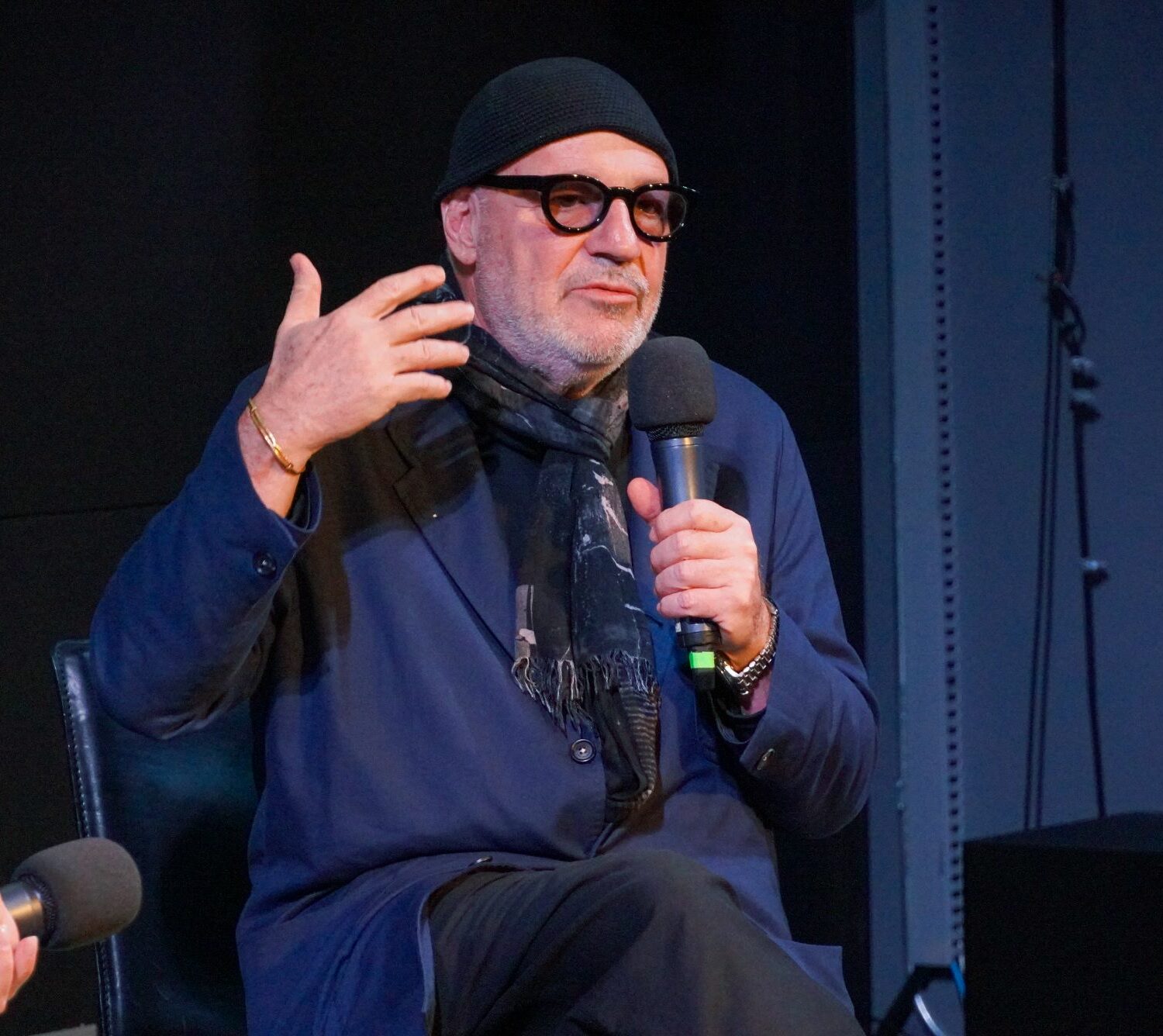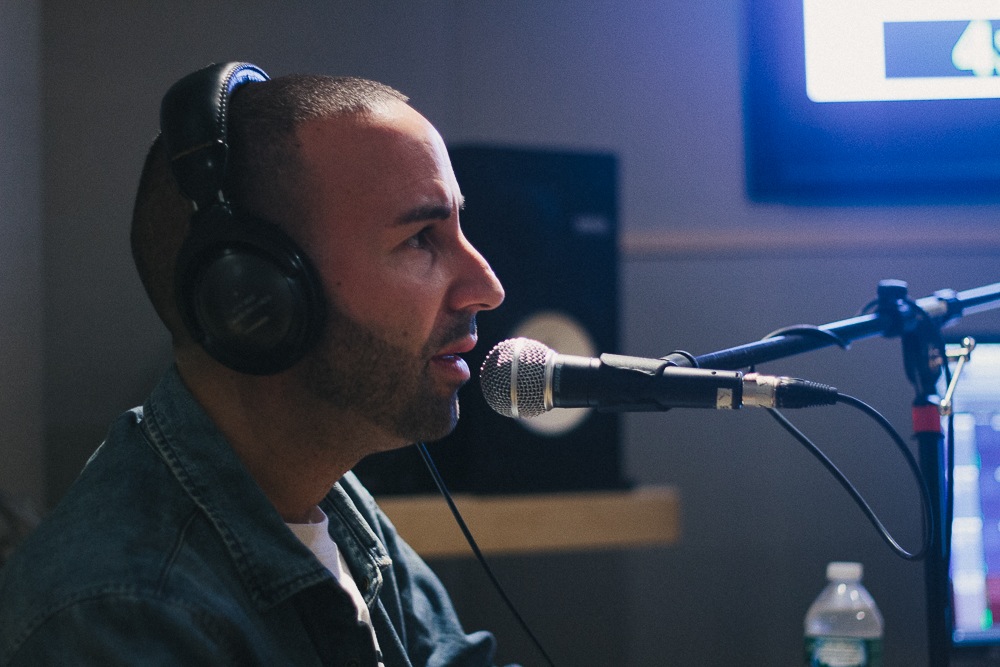
Premium Pete is a true reference figure: he is a podcaster and entrepreneur born in New York, known for his authenticity and for his deep bond with hip-hop culture. Grown up in Brooklyn, he built his reputation through sincere, direct, unfiltered conversations, where honesty comes before performance.
Before devoting himself to podcasting, he was deeply immersed in the sneaker culture, managing his own shop and joining a community where business, lifestyle and story intertwined. An important figure in his path was Combat Jack, whose legacy in the world of podcasting helped to form Pete’s approach to a meaningful, broad dialogue and capable of crossing different worlds.
As host of The Premium Pete Show, he interviewed artists, entrepreneurs and cultural figures, stating himself as an authoritative voice that documents stories more than chasing them, capturing the spirit of New York through conversation.
You are considered a pioneer of podcasting. What did you realize about this medium before it became mainstream?
First of all, you need passion. Passion can be transformed into a profession and ultimately into a career. I grew up with a great passion for some things, and I quickly managed to transform it into activity.
Something like sneakers, too. I collected Adidas and Nike, and today I work on projects with them. At first I was simply passionate about their appearance and how I could add value to that subculture. Social media was not like today: ten years ago many people would not have believed that this job could be done. So I would say that the fundamental thing is to trust that your passion can become a community.
When I started, there were not many people who did what I did. Passion and trust go together. Ten years ago, if you told someone you were a podcaster, maybe she didn’t take you seriously. A friend of mine, a performance lawyer with clients like Jay-Z, thought podcasting was a frivolous thing. But we believed in the middle. We thought the conversation could go further. For me it means believing in oneself, in one’s own passion and having the support of one’s family.
Do you see yourself more as a one-generation archivist or as a translator among different worlds?
That’s a big question. People today consider me a bridge. I like to put together different worlds. They called me a cultural connector, a brand architect: the titles do not interest me much, but in essence I connect people, food, brands and artists in ways that at first they may not seem obvious. I’m proud to be a connector.
How do you protect authenticity when everything around it becomes increasingly cared for and built?
For others it may be difficult, but for me not. I live my life authentically, and people feel it. There is no need to explain authenticity: it means being faithful to yourself. I treat myself as an agency: if someone comes to me, I activate myself, I complete the job and remain authentic. It’s natural for me.
After so many real conversations, what is the greatest misunderstanding about success?
Success is subjective. Growing up in Bensonhurst in the 1980s and 1990s, success seemed to be made of ostentatious money, gold, machines, power. But that is the external aspect. The real success is internal.
For me it means having my parents healthy, seeing my daughter grow up, being there. This is the real success. It’s not about money or fame, it’s about what makes you happy and realized. I met rich people who weren’t happy. Success is to understand what has value for you and keep it.
How did New York form your instinct and voice today?
New York is inside me: he formed what I am. My father is from Brooklyn, and growing up with him taught me confidence in myself, resilience and the way to move in the world.
New York gives you the belief that you can do it anywhere. It is in your attitude, in your safety, in the way you present yourself. It’s contagious, and I’ve been on my whole career: sneakers, streetwear and podcasting today.
You grew up in a world where communities and businesses were very important. How did he affect you?
The community was everything. After school, we played basketball, dodgeball, we were together. I soon learned to be passionate, even a little nerd, compared to the things I loved. I was collecting sneakers obsessively, studying trends and contacting people who shared my interests. That passion turned into a career and a community.
Do you feel the responsibility to preserve honesty in an increasingly fast and disposable media landscape?
Absolutely. I care a lot about the culture I’m part of. Whether it’s sneaker, hip-hop or food, I feel it’s my duty to respect that culture and teach it to others. I want to grow culture and relationships in an authentic way.
What are you focused on now, and where do you see your future?
I am always focused on more things: diversify my work and stay active. I continue to collaborate with brand, to work on footwear, food products, acting in movies and podcasts. My future is about building a bridge between creators and corporate America, helping people grow and realize their dreams. I like to take creators and help them succeed in ways that years ago were not possible.
What advice would you give to our readers?
Never stop believing in yourself. Life will test you: losses, obstacles, failures. But we have to continue. I went through difficult times and made mistakes, but believing in themselves allows to continue to build, create and prosper.
L’articolo Premium Pete, the cultural connector comes from IlNewyorkese.