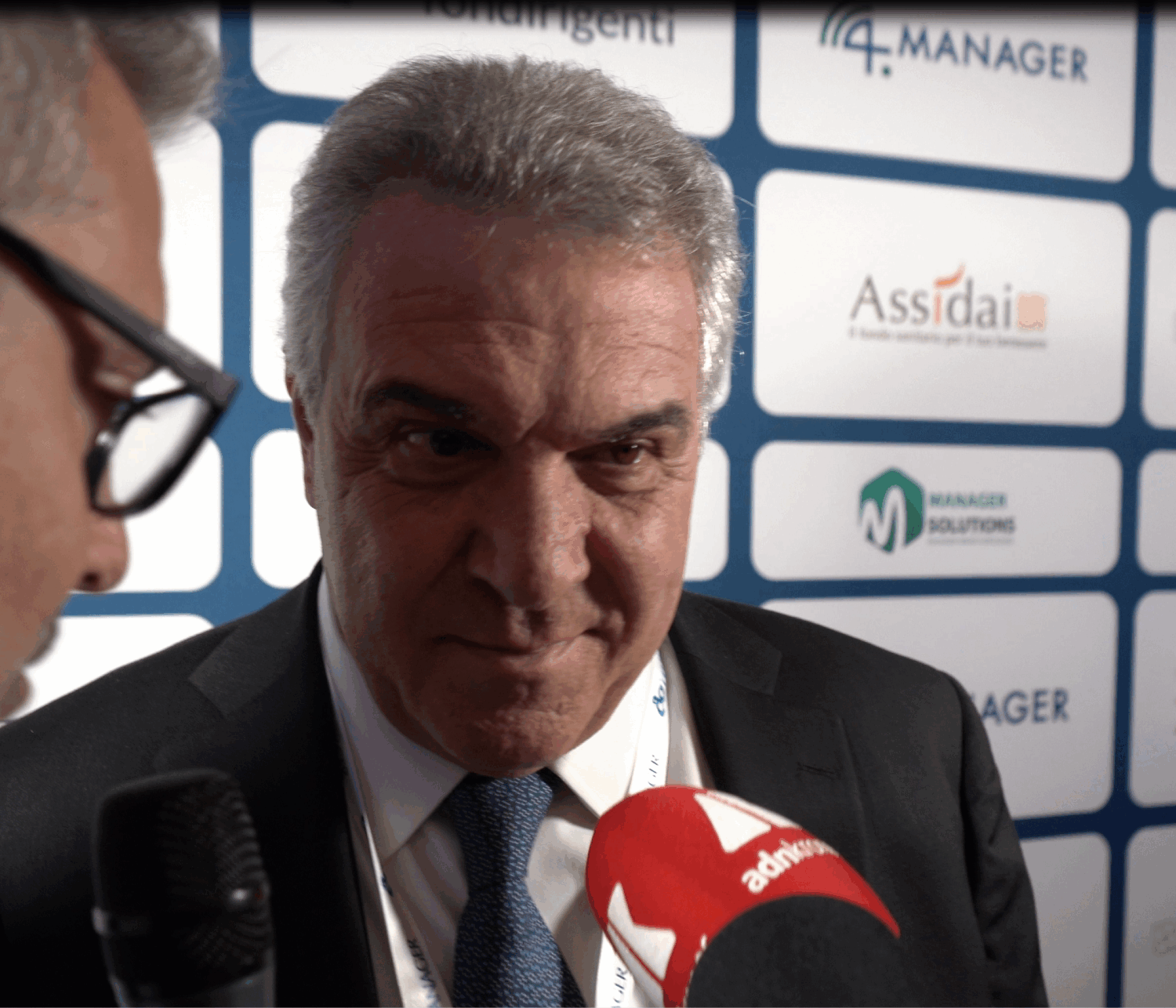
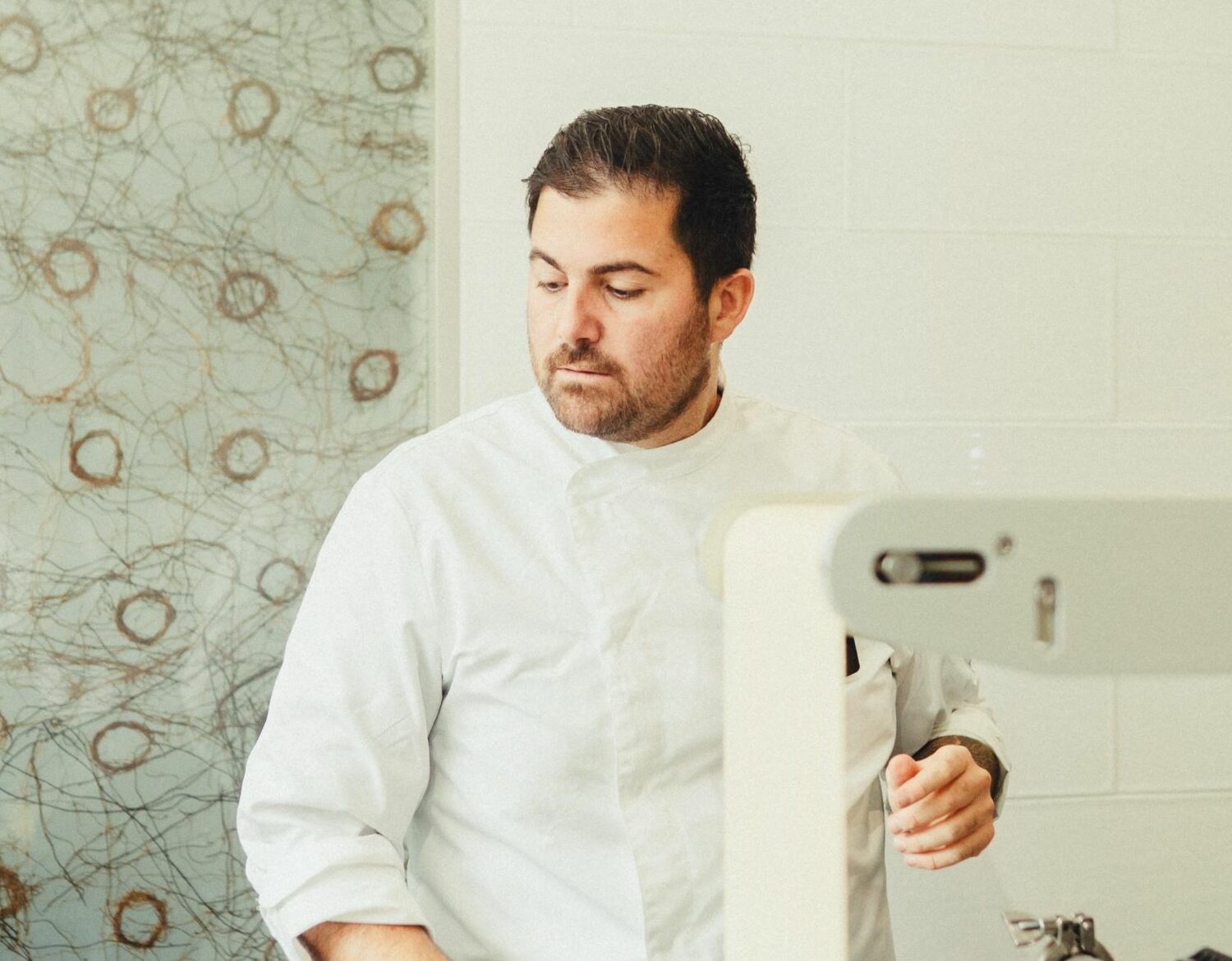
Let New York be a crossroads of cultures and flavors not discover it today: from Asian suggestions to Middle Eastern taste to sub-Saharan inspiration markets, in New York you can find everything for everyone. This, however, also makes it more complicated to bring out a “winning” taste, a culinary culture that touches among others. Luigi Speranza, founder of La Trafila, knows that despite all this he has been able to cut out a space of excellence, bringing, not without innovation, the tradition of fresh Italian pasta in the Big Apple. We met him to tell us his extraordinary entrepreneurial adventure.
Luigi, we start from the beginning. How does La Trafila come from New York?
I arrived in New York in 2017 as a chef, after a hotel path and different experiences between Italy and Europe. At first it was not easy: I was without documents and getting a sponsor at that time was complicated. I started working in a pasta bar in West Broadway, an interesting place with open kitchen. But there I noticed something: they made pasta, but they used the dry one. I proposed to start producing fresh pasta in the house, and from there everything started.
The pandemic for many was a block. For you instead a turning point. How did it happen?
I left the job in January 2020, just before the pandemic. When the lockdown came, everything stopped, and I wondered what I could do. I had a small pasta machine bought in 2019. At that time e-commerce was exploding, so we launched a very simple site, with $150, with the formula “order today, delivery tomorrow”. The next day we had already 19 orders. Then the Farmers’ Market were fundamental: with supermarkets in difficulty, people were looking for fresh outdoor products. We went from one market to twelve in a short time, and that’s where the brand really grew up.
Your slogan is “Made in New York, Master in Italy”. What does that mean?
Many Italians arrive abroad convinced they already know everything. Actually, when you enter a different culture, you need to adapt. We bring Italian authenticity to the quality, consistency and seriousness of the work. We produce in New York, but with Italian mentality and techniques. One example is the vodka sauce: I was at first opposed, by pride. Then we tried and became our best-selling product. The point is to maintain high quality, even when the final result has an American influence.
How much does the product weigh compared to storytelling in your success?
It’s a unique thing: you can’t separate them. The product must be up to the surface, otherwise storytelling is useless. I put my face on it, go to the tastings, explain to the customers what it means fresh pasta, what are the differences, the qualities and also the limits. You can tell how much you want, but if the product doesn’t hold, it doesn’t work.
Traphy grew up fast. What were the greatest difficulties in management?
After about eight months from the pandemic we leased this space. In 2022 we also acquired the next room, which was completely to be remade, and we rebuilt it in eight months to increase production and storage. The machines help, but they don’t solve everything: they always need someone to handle them. The real challenge is the delegation. Last year I was in Italy two months and, at that time, we did the best month. It was an important signal: the company can move on without me.
Today you are present in several states. How are you thinking about the future?
We are active in five states: New York, New Jersey, Washington, Rhode Island and part of Pennsylvania. We are working to enter the retail, but carefully, especially on packaging and preservation, perhaps with a frozen line. On franchising we are cautious: The Traphy is still young, like a six-year-old. It should be followed closely. We prefer to grow in a structured way, without running too much.
The Italian cuisine today is also a UNESCO heritage site. How do you see your future, between tradition and innovation?
It is an important recognition, but Italian cuisine cannot remain firm. The base is historical and must remain solid, but the present is inevitably hybrid. The iconic dishes will continue to exist, but there will always be room for evolution and variations. The important thing is not to lose quality.
Where can you find your pasta today?
We are present in several Farmers’ Market on weekends. This is Park Slope, Greenpoint and McGlory Park in Brooklyn. Manhattan to Chelsea Market and Morningside. Then in various Westchester locations, such as Larchmont, Bronxville, Hastings, Irvington, Chappaqua and Pleasantville. And we’re working to get to supermarkets soon.
L’articolo It was not easy to bring fresh pasta to New York, but Luigi Speranza did it proviene da IlNewyorkese.