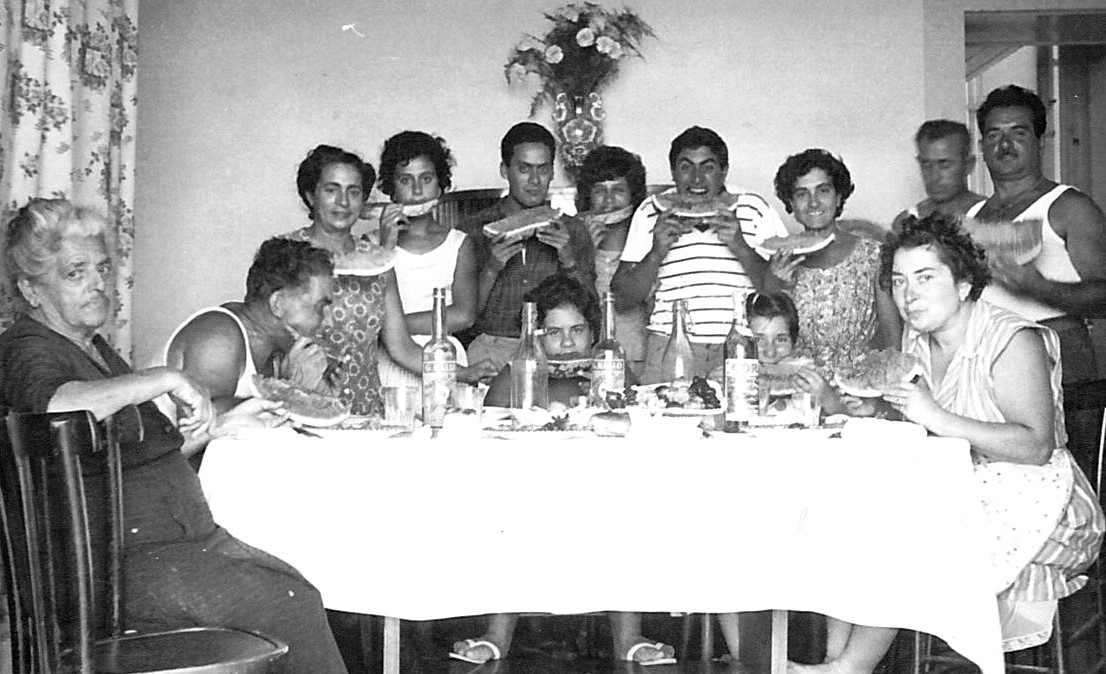
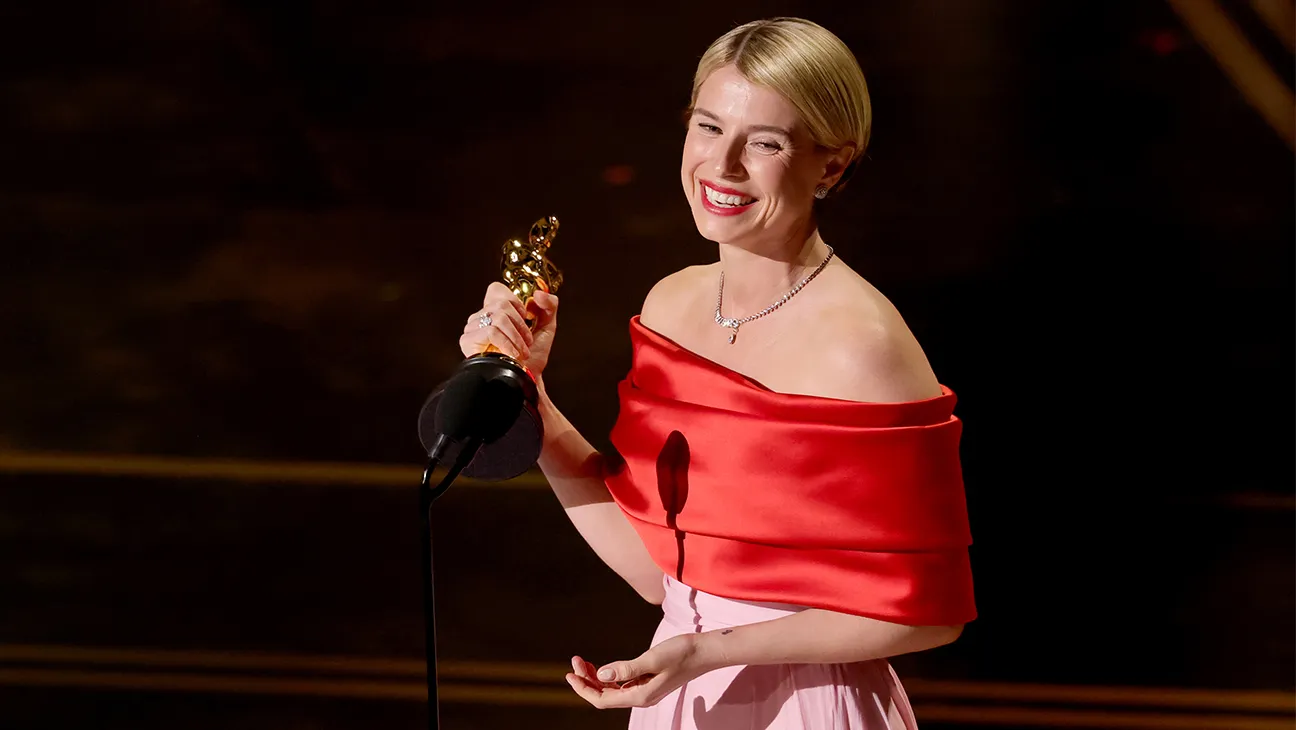
Two of the most important events of the year have just been held thousands of kilometres away. On the one hand the Festival of Sanremo, a collective Italian ritual that for five evenings turns music into national theatre. On the other hand the Oscars (Academy Awards) apex of the American film industry, one night capable of affecting global trends. Two events, two cultures, two different rhythms, but one same truth: fashion.
On television and on social media we see only the final result of a continuous and meticulous work: an artist who drops a staircase, an actress who poses in front of a flash wall. It seems natural, inevitable, even simple. But the dress that falls perfectly on the shoulders is the product of days of fitting, negotiations, exchanges of emails, shipments.
I will never stop saying that fashion is language, it is image construction, strategy and these two events are the most explicit proof. In Sanremo, each singer tells a story both with the song that brings to the race, that with the shape, color and fabric of the looks she wears. In the Oscars the dress becomes a global declaration, an identity claim, an alliance with a historical maison.
Not only in fashion shows, but also behind every zip closed before climbing on a stage, there is a silent army of stylists and assistants, public relations agencies, showroom managers, international couriers, press. Every live dress is the result of dozens of names that will probably never appear in the titles.
Stylists become mediators between artistic desire and commercial strategy. The chosen dress not only represents the wearer, but also the vision and positioning of a brand. The task of the stylist is not simply to choose a beautiful dress, but to interpret a person. It must value the body, respect the personality, anticipate the reaction of the media, protect the image, because a dress has the power to consecrate a career or at the same time distract it.
Above all, on the occasion of these two events, the public comments in real time, each choice is immediately analyzed, applauded or criticized.
Fashion does not run out in the event itself, it is a work that does not really know pause. Stylist suitcases are emptied to be filled again for the next event. Glamorous is only the exterior and bright part of a complex machine. Below is discipline, fatigue, precision and a lot of work. There is a responsibility to tell an artist, to amplify his voice without overstarting it.
I am particularly interested in appointing all the stylists of the Sanremo Festival. Also this year, behind the choice of every look there was a precise direction.
Carlotta Aloisi was the stylist of Sayf and Serena Brancale; Rebecca Baglini by Malika Ayane, Dargen D’Amico and Arisa; Lorenzo Oddo di Levante e Ditonellapiaga; Simone Folco by Patty Pravo; Antonio Pulvirenti di Samurai Jay; Caterina Adele Michi by Enrico Nigiotti; Kristi Veliaj by Nayt; Stefania Sciortino by Leo Gassman; Ylenia Puglia by J-Ax, LDA and Aka 7even; Marco Ferra and Ellen Mirck by Elettra Lamborghini; Francesca Piovano di Maria Antonietta e Colombre; Nicolò Grossi by Ermal Meta; Francesco Mautone di Chiello; Carlo Valerio by Eddie Brock; Gaia Bonfiglio di Mara Mattei e Tredici Pietro; Susanna Ausoni di Michele Bravi, Tommaso Paradiso e Bambole di Pezza. Names that are an integral and fundamental part of the visual narrative of the event.
When the lights of the Sanremo stage turn out and when the last Oscar statue is delivered, what remains is not only an aesthetic memory, but much more. It is proof that fashion, especially in these contexts, is a collective act. An invisible orchestra that works continuously because everything seems natural and beautiful.
And perhaps this is the true definition of elegance, discipline and dedication: it is all that works tirelessly in the shadows so that that light can exist.
L’articolo From Sanremo to Oscars, the work of stylists that unites Italy and America proviene da IlNewyorkese.