On the night of Saturday, February 28, around the 1st American night, the United States and Israel launched a large-scale military operation against Iran, striking targets in Tehran and other strategic cities in the country. The intervention puts an end to the negotiations held in recent days about the end of the Iranian nuclear program and marks a level leap over the limited bombings conducted in June 2025, when Washington had targeted three sites related with the Iranian nuclear program without extending the attacks on the capital.
The operation was called “Epic Fury” for the United States and “Lion’s Roar” for Israel; in summer 2025 Washington called the operation “Midnight Hammer”, while Israel had used “Rising Lion”: the lion’s reference often occurs in the Israeli rhetoric and is sometimes associated with a biblical image of force, but at the same time the lion was present in the Iranian flag before the 1979 revolution.
OPERATION
— Department of War (@DeptofWar) February 28, 2026
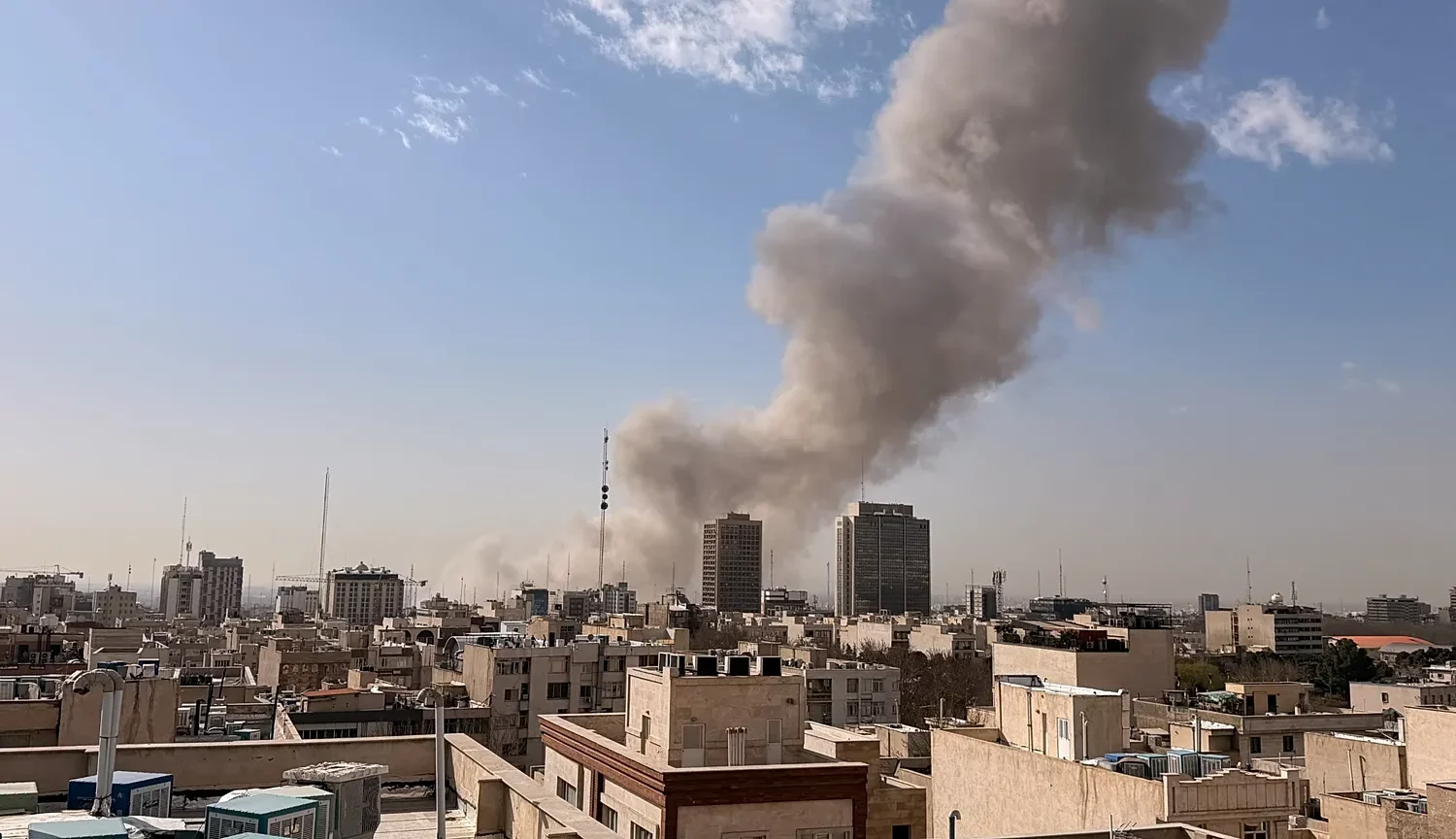
According to Iranian state media and other international sources – Wall Street Journal, Reuters – explosions affected Tehran, Tabriz, Isfahan, Qom, Karaj and Kermanshah. The capital would have been affected by the neighborhood where the residence of the Supreme Ali Khamenei Guide, as well as institutional offices including the Intelligence and Defense Ministry. Reuters reported that Khamenei would be in a place considered safe outside Tehran, also considering that Iran is preparing for the attack for days.
In a video message on the Truth platform, US President Donald Trump confirmed US direct participation, defining the “imposed” operation and aimed not only to prevent Iran from developing a nuclear weapon, but also to destroy missile forces, productive infrastructure and the Iranian navy. Trump explicitly evoked the prospect of a regime change, inviting Iranian security forces to surrender.
President Trump announces that the U.S. has begun to “massive” against Iran campaign. Says that the US intends to destroy Iran’s missile forces, missile industry, navy, nuclear program, and proxies. pic.twitter.com/d2VUKJTn6m
— OSINTtechnical (@Osinttechnical) February 28, 2026
Israeli Prime Minister Benjamin Netanyahu also spoke of an action to create conditions for political change within Iran. Similar statements were made in 2025, during the 12-day conflict with a ceasefire at the end of June. Then the U.S. administration had clarified that it did not want to start a prolonged conflict in the region; the current intervention instead appears wider by geographical extension and objectives.
The first Iranian response came with the launch of ballistic missiles to Israel. The Israeli army has declared that it has intercepted several carriers, while most of the country have been activated the alert sirens and declared the state of emergency. The Israeli airspace has been temporarily closed, as well as the Iranian airspace, with dozens of civilian flights deviated according to the tracking data of Flightradar24.
Explosion reports also arrived in other Middle Eastern countries hosting US military bases, including Bahrain, Qatar, Kuwait and the United Arab Emirates. In Bahrein, where the Fifth Fleet of the U.S. Navy is based, the authorities sent notifications to citizens by inviting them to reach safe shelters. Qatar, Kuwait and the Emirates have announced the closure of airspace as a precautionary measure.
U.S. embassies in different countries of the Gulf have recommended personnel to restrict travel and use air shelters. In previous days part of the American bases in the area had been partially evacuated in view of escalation. It remains to be understood whether Tehran will extend the retaliation directly against U.S. structures in the region.
As it happened during the attacks of last summer and the last protests of a few weeks ago, the Italian internet network was almost completely inaccessible from the early hours of the attack. The main data traffic monitoring sites recorded a drastic drop in connections. It is unclear whether the blackout was caused by damage to infrastructure or by a decision of the authorities, but it is very probable the second case, which has become practice for the regime and useful to avoid the circulation of information and the introduction of foreign propagandistic messages aimed at the Iranian population and the armed forces.
Reza Pahlavi, the son of the last Shah of Iran and who for years has been trying to accredit itself as a reference figure of the opposition in exile, commented on the military intervention: he said that the attack is directed against the regime and not against the population, and he also invited the Iranian armed forces to desert. In previous weeks he had intensified diplomatic activity in the United States and Europe to support international intervention against Tehran.
همیهنان عزیزم،لحظاتی سرنوشت ساز ایان روی ماست.محده به ر.یس جمهور ایایالات متحده به مردمردمدم ان ایان ان اده اده اده اده اده این ان ان ان ان ان ان اده اده ان ان اده ان ان اده ان اده ان اده ان ان ان ان ان ان ان ان اده ان ان ان ان ان ان ان ان ان اده ان ان ان ان ان ان ان ان اده ا این ین مداخله بشردوستانه است و هدف نن جمهوری اسلامیل دستاه سرب ماشین اشان ار ان ان ان ان اسان ن ن ن اساساساساان ن ن ن ن ن ن ن ن ن ن امان ن امامان اماماماسامان ن امامان ان امان ن امان ن امامان ن امان ن امان ن امامامامامان ن اماماساسامامامامامان ن امامان ن CpS
— Reza Pahlavi (@PahlaviReza) February 28, 2026
In the United States, the operation aroused the first political criticism. Republican Congressman Thomas Massie spoke of “unauthorized war act”: the Constitution gives Congress the power to declare war, but in recent decades the presidents have often started military operations without formal prior authorization.
L’articolo Israel and the United States attacked Iran proviene da IlNewyorkese.