
In recent years, artificial intelligence has become a daily presence in people’s lives: it writes texts, suggests titles, consumes energy, occupies digital space in every internet anfract. At the same time she entered the editorials and industrial districts, without being clear who was deciding what, and with what consequences. The result is an increasingly powerful system, but also more opaque.
In New York, where technological innovation coexists with an under-pressure electric network and with an already fragile information market, this opacity has become a political problem. This is why Parliament is preparing to discuss two legislative proposals that address the issue: on the one hand the transparency of the use of AI in news and, on the other, the energy cost of the infrastructure that feeds it.
The first proposal, called the New York Fundamental Artificial Intelligence Requirements in News Act (NY FAIR News Act), introduces the obligation to explicitly report journalistic content “substantially composed, edited or created” through artificial intelligence systems. The text provides that any content produced with the help of AI must be revised and approved by a physical person with editorial control, formally reaffirming human responsibility in the publishing process. The bill also intervenes on the internal organization of editorials: publishers would be required to inform their employees about how and when artificial intelligence tools are used, and to prepare security measures to prevent sensitive data – particularly sources – from being absorbed or processed by automatic systems.
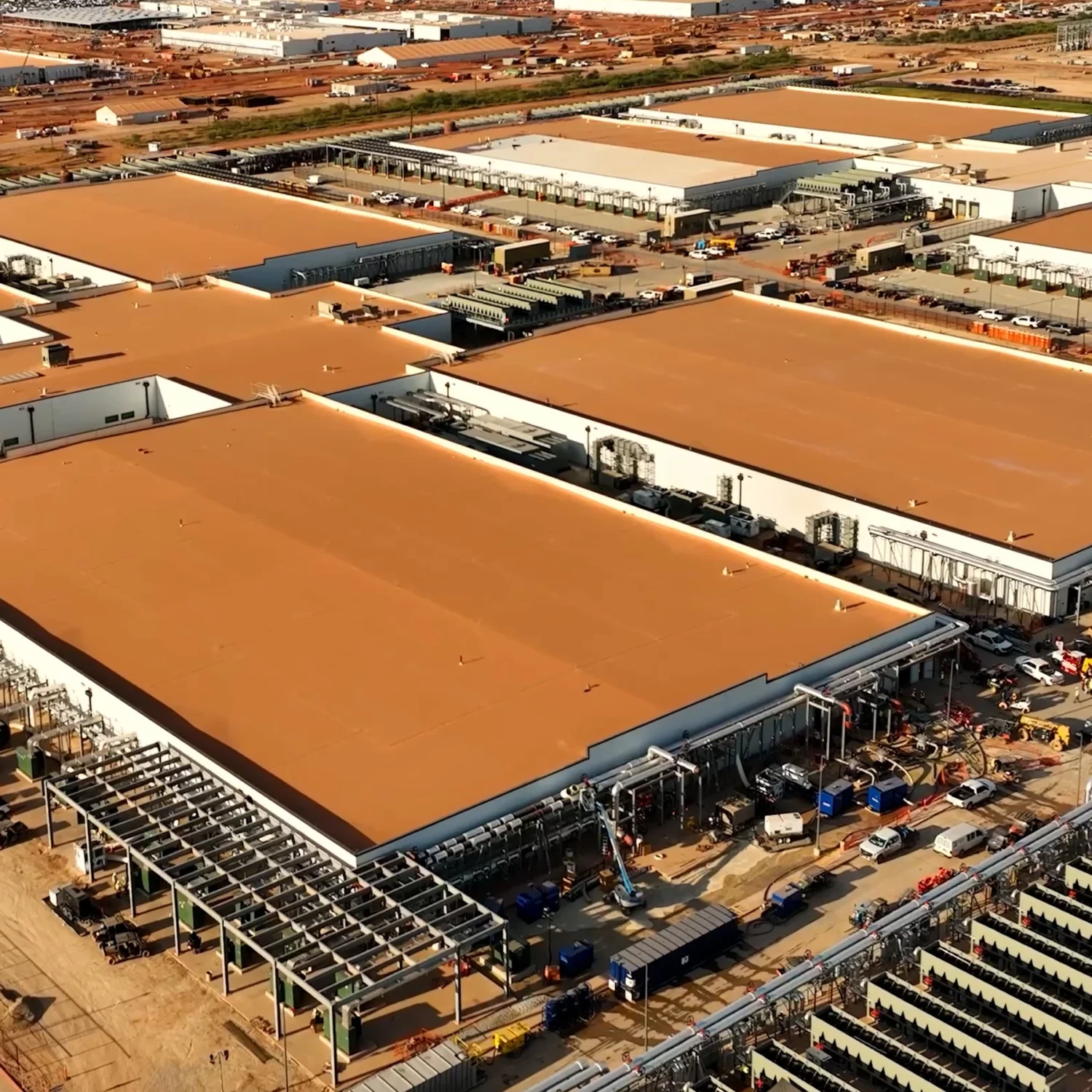
The second measure, identified as S9144, concerns the physical infrastructure of the digital economy. The proposal provides for a suspension of at least three years in the release of new permits for the construction of data center in the State of New York. The motivation is linked to the increase in energy consumption and the impact that these structures have on the costs for domestic users and enterprises, in conjunction with the rapid growth of demand.
According to National Grid New York, demand for high-load connections tripled in one year and in the next five years could add at least 10 gigawatts of application to the network. Currently, more than 130 data centers are active in the state. This sums up the increase in bills: New York has just approved a 9 percent tariff increase for Con Edison customers distributed over three years, while at national level the pressure exerted by data centers on electrical networks is one of the main factors affecting the overall increase in energy costs.
L’articolo Two AI laws come to the New York Parliament: one concerns newspapers, the other energy comes from IlNewyorkese.