MISTERBIANCO (CATANIA) (ITALPRESS) – The World Cancer Day, celebrated every year on February 4, draws attention to the importance of raising awareness of the population to issues related to prevention, early diagnosis and access to ever better care paths. Fundamental themes to address the main neoplasms and, more generally, to make people aware of the value of prevention and controls.
On this day dedicated to information, Humanitas Istituto Clinico Catanese places emphasis on breast cancer, starting from the activity of the Breast Centre: a model that today represents a reference also for the approach to keep also for other oncological diseases. Referring to Sicily, according to PNE data, in 2024 the diagnosis and treatment related to Sicilian women with breast cancer were 4,600.
Of these patients, 90.90% was treated in the region, while 9.10% turned to structures outside the borders of the island. A fact that, in comparison with other areas of the South, shows a very low output health mobility. In 2024 patients treated in region 820 were taken over by the Breast Centre of Humanitas Catanese Clinical Institute.
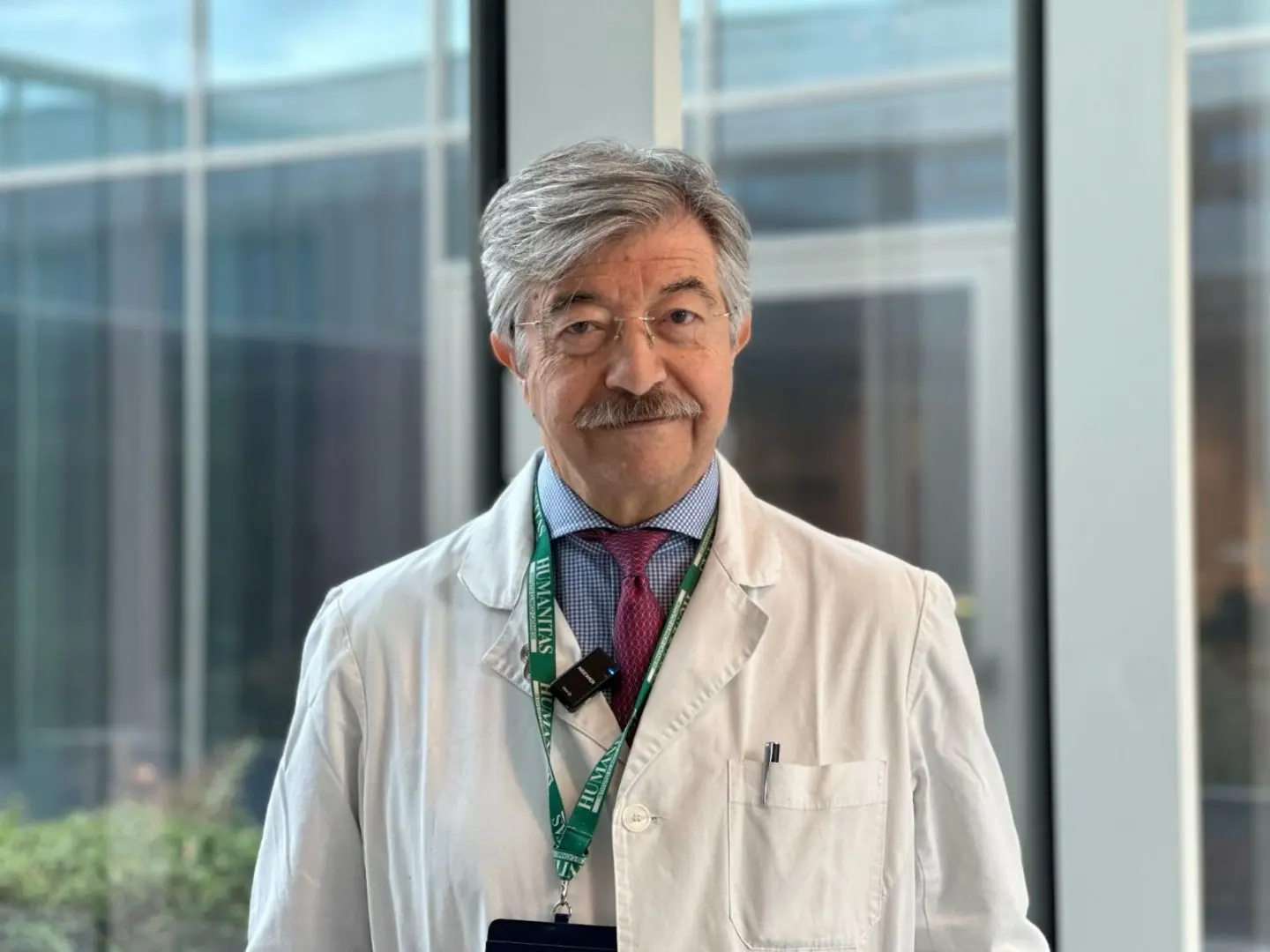
A volume that, in the regional context, contributes to describing the role of the structure in the taking charge of breast cancer, which, according to the data AGENAS diffused at the end of last year, the fifth structure in Italy. To comment on the data is Francesco Caruso, Director of the Oncological Department and Clinical Director of the Breast Centre of Humanitas Catanese Clinical Institute.
“We are finally and fortunately witnessing a wonderful phenomenon: a new and great attention to controls – says Caruso -. Participation in institutional screening is resumed and, next to these, controls carried out on a personal initiative are also growing. When a pathology is identified early, the clinical plan changes and thus also changes the quality of life of a patient, which will face not a difficult attacking mass, but a smaller tumor.”.
Alongside early diagnosis, therapeutic possibilities have increased in recent years: increasingly accurate and conservative surgery when possible, more sophisticated diagnostics and, above all, more effective and better tolerated drugs.
“Today, in addition to chemotherapy, we have biological therapies and immunotherapy that represent an important step forward – Caruso continues. This, along with the progress of diagnostics and surgery, helped to improve prognosis clearly: in the data reported by literature, survival at ten years reaches 88.6%, while thirty years ago was around 45/48%. The goal is increasingly to transform the maternal oncological disease into a controllable condition over time, with ever wider perspectives of life and design.”.
For breast cancer, a decisive role was played by the model of dedicated centers, born to concentrate clinical skills and decisions on the same path. “The Breast Unit is the place where surgeons, oncologists, radiotherapists, radiologists, anatomologists and all the specialists involved work together – explains Caruso. The comparison takes place in a structured way, through multidisciplinary meetings: each case is discussed and for each woman a path is defined cut out on the specific characteristics of the disease and the person. The breast cancer is not a single entity, there are different subtypes and each requires different therapeutic choices.”.
-Photos print office Humanitas Istituto Clinic Catanese-
(ITALPRESS).