In California it is taking shape a bill on popular initiative that aims to introduce an extraordinary asset tax on billionaires, but which risks producing economic effects before arriving at the polls. The measure, called 2026 Billionaire Tax Act, provides for a one-off levy of 5 percent on the overall value of billionaire assets resident in the State. At the moment the measure is still in the process of collecting signatures: it takes about 90 thousand to be able to submit it to the popular vote in November 2026.
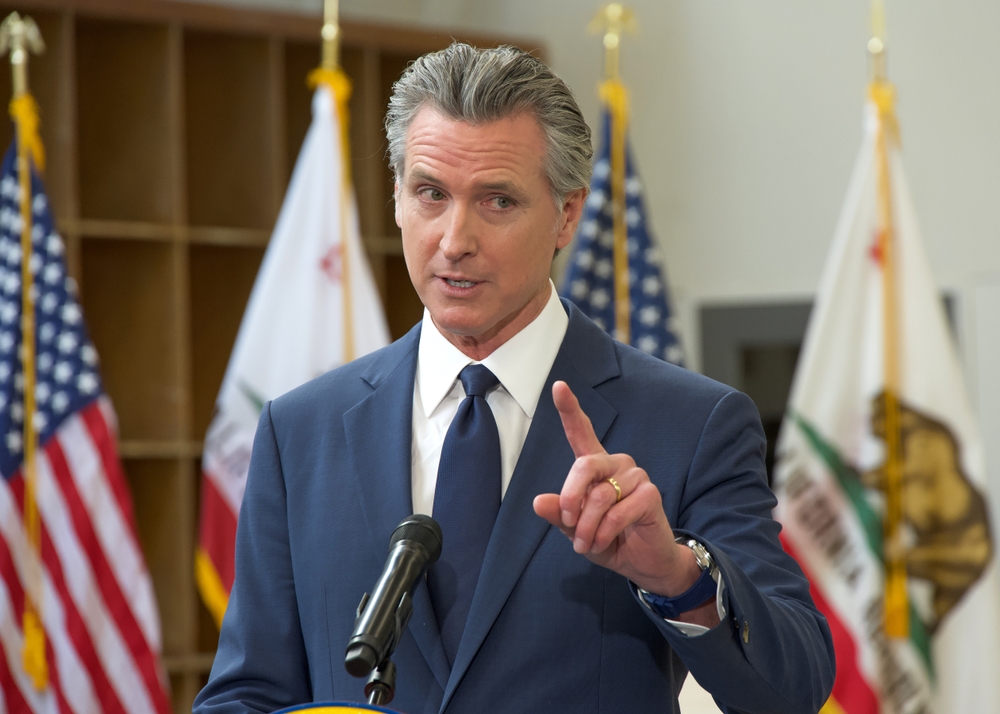
The proposal has already met strong political opposition, starting with the democratic governor Gavin Newsom. Speaking with the New York Times, Newsom defined the project “really harmful” and within the “bad economy”, saying he is convinced that he will be rejected. According to the governor, a tax affecting the heritage and not income represents “something very different” than the current California tax system, which already applies the highest US rate on high incomes. Newsom added that a measure of this kind would make more sense at federal level, underlining that a State alone is in direct fiscal competition with the other 49.
To promote the initiative is the SEIU-UHW health workers union, which explicitly binds the proposal to federal cuts to health, education and food assistance programs introduced by the Trump administration with the so-called Big, Beautiful Bill. According to the union, the extraordinary contribution required to billionaires would help to avoid a reduction in essential public services in California, funding the health system, public education from childhood school to high school and state food support programs. The site of the campaign points out that the tax would concern about 200 people, with an estimated total assets in about 2 thousand billion dollars.
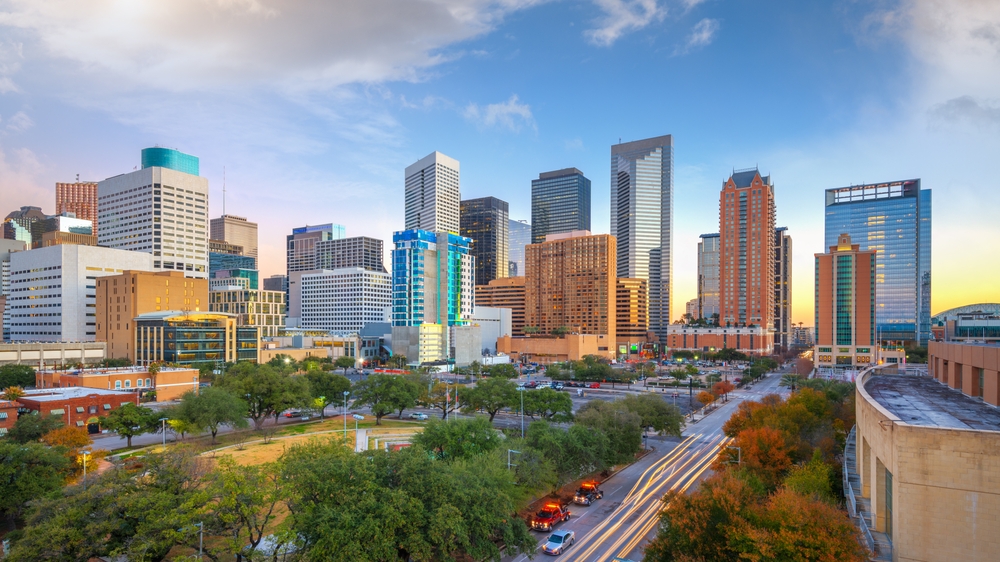
The discussion takes place in a state which houses the largest number of billionaires in the country, but where some big names in the technological and financial sector are already reducing their exposure. These include Larry Page, co-founder of Google, Peter Thiel, co-founder of PayPal, David Sacks of Craft Ventures and Larry Ellison, CEO of Oracle. Page purchased properties for approximately $173 million in Miami and began moving assets out of California; Thiel announced the opening of a Thiel Capital office in Miami at the end of 2025; Sacks moved his residence from San Francisco to Austin, Texas, where he opened a new headquarters of his company. Newsom commented on these movements saying that they confirm his concerns, explaining that “it is exactly what I warned against”.
The reactions of the legal and entrepreneurial world have not been expected. In December, lawyer Alex Spiro, who represents prominent clients such as the billionaire Elon Musk, sent a letter to the governor, advising that the measure could “bind a flight of capital and innovation from California”, adding that several of his assistants would plan to move permanently in case of approval of the tax. It is not the first time that in the state we try to introduce a tax on wealth: in 2024 a proposal from the assemblyman Alex Lee provided an annual tax of 1 percent on the assets exceeding 50 million dollars, and of 1.5 percent for billionaires, but also in that case Newsom had expressed itself against.
Within the same California economic elite, however, there are different positions. Jensen Huang, CEO and president of Nvidia, told Bloomberg Television to be “perfectly comfortable” with the idea of the tax. “We chose to live in the Silicon Valley,” he said, adding that tax rules are part of that choice.
L’articolo In California we discuss a one-time tax on billionaires proviene da IlNewyorkese.