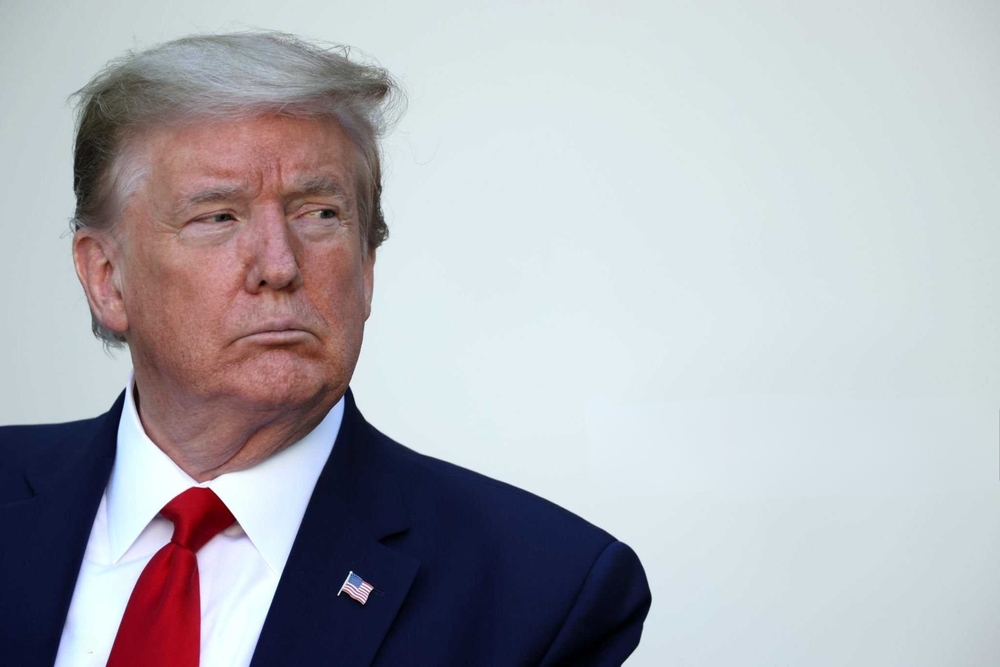
In a climate of increasing tension between Washington and Tehran, the President of the United States, Donald Trump, through a post on social truth, is said to be ready to intervene in support of peaceful protesters in the Middle East. The protests, born from the deep economic and social crisis that crosses Iran, continue to shake the regime of Tehran, with thousands of citizens descended into the square to ask for reforms and rights.
Trump’s words: a strong warning
“If Iran kills protesters, the United States will intervene,” wrote the American president, adding: “We are ready to intervene. Thank you for the attention dedicated to this question!». The statement follows the recent tensions between the two powers and is part of a growing international concern for violent repression of Iranian protests. In the past, Tehran has repeatedly responded firmly to manifestations of dissent, often resorting to the use of force against peaceful protesters.
The reactions of Tehran: the warning of Larijani
Immediately came the reply from Tehran, with the councilman of the Iranian Supreme Guide, Ali Larijani, who launched a clear warning to the United States. In a message published on X (ex Twitter), Larijani warned: “American interference in an internal question would destabilize the entire region”. The advisor, who plays the leading role in security in Iran, also urged Trump to “be careful about his soldiers”, stressing that any foreign intervention could further aggravate the crisis.
Iran protests: between economic crisis and demands for reforms
The demonstrations broke out in a context of serious economic crisis, with Iran struggling with international sanctions, galloping inflation and increasing unemployment. Iranian citizens call for political change and greater freedom, but the authorities of Tehran respond hard, often using violent repression. The presence of security forces deployed in the squares and recent abuse complaints have fueled the fear of an escalation that could also involve foreign actors.
A delicate balance between risk and intervention
Trump’s threat is a critical point in this delicate situation. On the one hand, the will to support protesters and condemn violent repression; on the other, the risks of military escalation that could further destabilize a region already inflamed by conflicts and geopolitical tensions. Tehran, for his part, appeals to national sovereignty and warns against any attempt of foreign interference, recalling that the external military intervention could have unpredictable consequences.
The article Trump to Iran: “If you kill protesters, the U.S. will intervene” comes from IlNewyorkese.