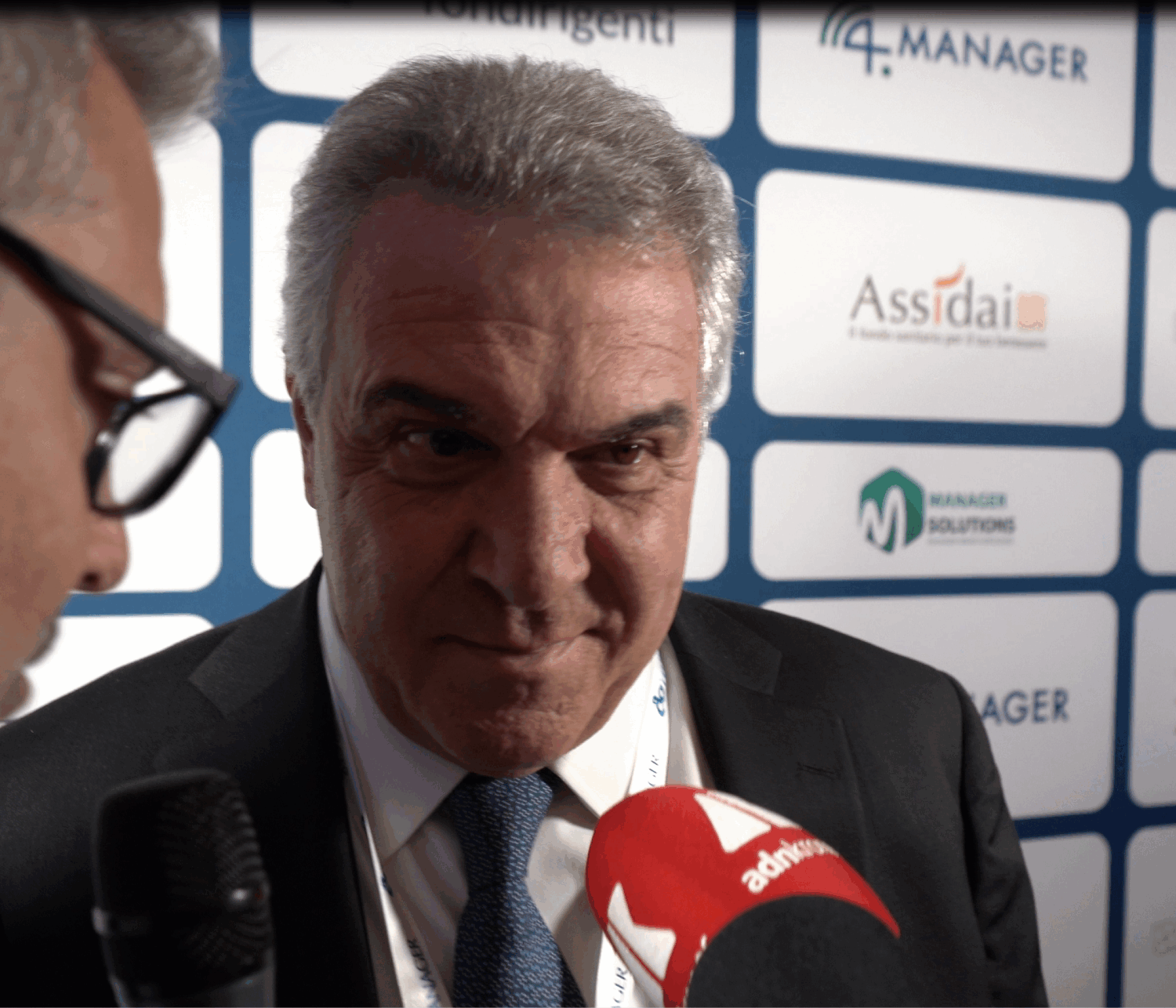

In the heart of New York, Made in Italy lives a real exploit during the holidays: authentic products, territorial identity and gastronomic culture become protagonists of a constantly expanding market. We spoke with Alfonso Pecoraro Scanio, former Minister of Agriculture and President of the UniVerde Foundation, for years committed to the protection of Italian quality and the fight against Italian sounding.
In recent years there has been a real boom in Italian products on American Christmas tables, especially in New York. What are the factors that make Made in Italy so desired during the holidays? How did this cultural and gastronomic bond evolve?
The boom of Italian products is not just about Christmas: now lasts all year and is a global trend. In New York, however, the holidays amplify everything: the Christmas atmosphere, the value of food and the desire for quality. Italian products, especially typical and artisanal products, from gastronomic excellence to traditional desserts, become protagonists and assume a symbolic and affective value even stronger.
The crucial point, however, is to distinguish the true Made in Italy from imitations. The more the question grows, the more fake products increase. And it is significant that at Christmas Italian food also becomes a precious gift for loved ones: a gesture that confirms how much our quality is recognized.
She has always stressed the importance of a sustainable Made in Italy. How can Italian producers combine the growing international demand with respect for the environment and territorial identity?
The Italian agribusiness is, on average, already more sustainable than other countries: the use of chemicals and ultra-processed products is much more limited. Also in periods of higher demand, such as Christmas, it is essential to follow procedures that tutelino short chains, biodiversity and quality of raw materials.
Then there is the theme of packaging: investing in ecological and recyclable materials makes the Italian product even more competitive. But it is not enough that a product is “Italian”: it must be Italian of quality. The challenge of the future is to improve export by focusing more and more on certified sustainability.
How much does the American market weigh, and the New York market in particular, for Italian producers during the Christmas period? And how much does this showcase contribute to the international reputation of Italy?
Christmas has a great impact on the food market, both in Italy and abroad. New York, then, is a unique showcase: a city that alone represents a huge slice of the US economy and has a global influence on gastronomic culture.
It is no coincidence that many international initiatives, such as the campaign for the recognition of Neapolitan pizzaiolo as a heritage of humanity, have been promoted right there. The Christmas period brings more economic availability, desire to spend and rediscover authentic traditions. It is the ideal time to tell the culture of the Mediterranean diet and the value of certified food.
The phenomenon of Italian sounding is still widespread in the United States. What can be done at the institutional and cultural level to protect the true Italian products, especially when the question grows during the holidays?
My battle against Italian sounding lasts more than 20 years. The term agropiracy, today also reported by Treccani as neologism, I coined it in 2000 precisely to denounce the scam of fake Italian products or the imitations of our denominations.
The problem is huge: the turnover of the fake Made in Italy is estimated around 100 billion euros a year, in front of the 60-70 billion of our export. We are one of the most imitated countries in the world because our products like and work.
To counteract the phenomenon, effective communication, international agreements, transparency and traceability systems are needed to enable the consumer to know the origin of the product and the face of the manufacturer. Even social media, if used with intelligence, can help a lot to distinguish authentic from false.
Looking at the coming years, what strategies will strengthen the presence and value of Italian products during international holidays, even in key to tourism and cultural diplomacy?
Food is an extraordinary ambassador of Italian culture. Italian pizzerias and restaurants abroad already play a fundamental role in spreading territories, traditions and regional products.
However, it is necessary to improve the work of distributors and importers, ensuring excellence and transparency throughout the supply chain. Often the difference is the “simple” products: a good Italian bread, a craft cookie, an authentic local specialties.
Promotion actions must be intelligent and continuous, not limited to trade fairs alone. During the holidays you can value symbols such as panettone, an undisputed emblem of Italian Christmas, but also many other sweets and traditions that deserve to be told in the world.
L’articolo The boom of Made in Italy under the tree between tradition, quality and fight against false proviene da IlNewyorkese.