
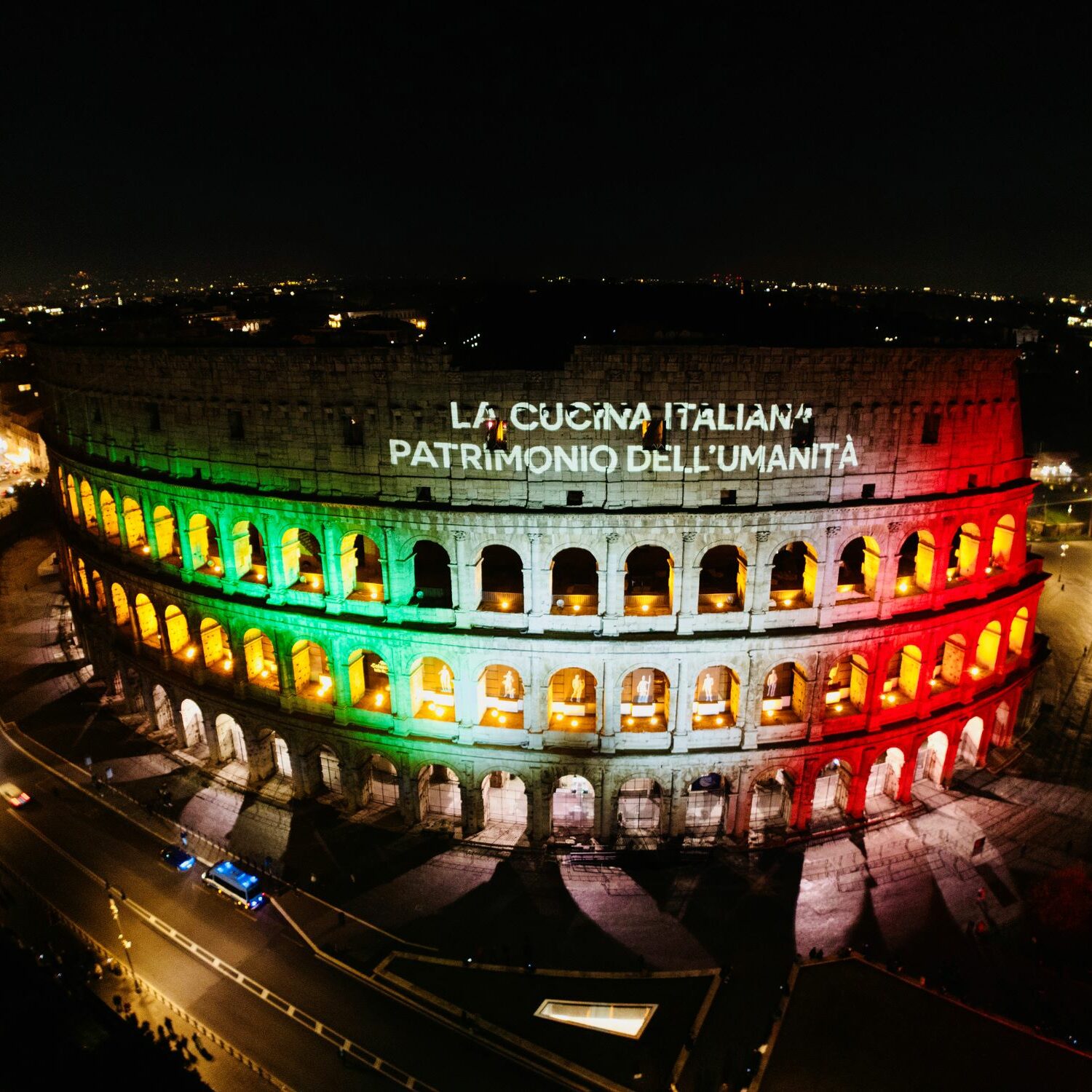
The inclusion, which took place on Wednesday, of Italian cuisine among the intangible cultural heritage of UNESCO has introduced a rather wide category in a list traditionally dominated by specific practices. The recognition concerns cooking as a social moment and as an informal transmission system of skills, more than its recipes or its products. It is a significant distinction: UNESCO does not protect San Marzano tomato or Gragnano pasta, but the way in which the preparation and consumption of food structure family and community life in Italy.
The list of intangible assets, active since 2007, is built to preserve traditions that states believe vulnerable to cultural standardization. Today it includes almost 800 practices, such as the Hindu “Diwali”, the construction of kobyz in Uzbekistan or traditional dances of the Córdoba area. Twenty intangible patrimonies had already been recognized in Italy, including the corkscrew of truffle and lyric chant, as well as the art of Neapolitan pizzaiuolo, which had attracted much international attention in 2017.
To obtain the registration, states must present a dossier that documents the historical continuity of tradition, its rooting in the community and the measures envisaged to ensure its transmission. The procedure may take several years. The Italian candidacy on cooking had been launched in early 2023 and is part of the strategy with which many governments use UNESCO to strengthen their cultural image abroad, alongside the most indirect benefits in terms of tourism and economic promotion.
A post shared by Giorgia Meloni (@giorgiameloni)
A post shared by the Ministry of Agriculture (@masafsocial)
However, the effects of intangible recognition are more difficult to measure than those of a material site. Recent studies coordinated by Pier Luigi Petrillo at La Sapienza University show that some very defined practices generate quantifiable impacts. The inscription of the art of pizzaiuoli, for example, coincided with the growth of professional courses, passed from 64 in 2017 to 246 between Italy and abroad. It is a case where tradition naturally lends itself to commercialization, as happens also for tourist routes related to specific products: Conegliano-Valdobbiadene Prosecco or Pantelleria’s tree-lined viticulture, where the promotion related to UNESCO recognition has led to an increase of the companies involved and new institutional initiatives such as the national park.
Italian cuisine as a whole poses different issues. Being a heterogeneous set of practices – from domestic preparation to the use of very distant regional techniques – there is no single subject that can “sell” the heritage in a standardized manner. Potential developments are more likely to affect the enhancement of contexts: seasonality of products, family models linked to meals and food education. It is unlikely that recognition alters global consumption, dominated by industrial brands like Barilla, Ferrero or De Cecco, but can be used to strengthen institutional narratives on quality and sustainability.
The role of UNESCO is mainly political and cultural. The organization tends to legitimize traditions that states consider identity, with the stated goal of protecting them from the homologation pressure of global markets. In this sense Italian cuisine enters the same category of practices considered at risk not for an imminent disappearance, but for the loss of meaning within society. The recognition works as an invitation to documentation, promotion and generational continuity.
For Italy, already among the countries with the greatest number of recognized assets, the result confirms a long tradition of active presence in the processes of UNESCO. Petrillo described this position as “paragonable to that of the United States in the UN Security Council”, to indicate a political weight greater than the geographical or demographic dimension of the country. The application on the kitchen expands a list that in the last ten years has included both very ancient and very contemporary practices.
It remains to be understood how this recognition will be concretely employed. In other sectors, such as wine, the link with food and wine tourism is immediate and measurable; In the case of the kitchen as a whole, educational initiatives, research projects or institutional campaigns based on themes such as conviviality, seasonal diet and the family transmission of culinary knowledge could emerge. The development of these programmes in the coming years will indicate whether the enrollment will have a comparable impact to that of the most circumscribed patrimonies or if it will remain above all a symbolic recognition.
L’articolo What happens now that Italian cuisine is a UNESCO heritage site proviene da IlNewyorkese.